
I remember the exact moment I realized my local Chesapeake business was invisible on Google Maps. It was a busy Wednesday afternoon, and I was frantically checking how my competitors were ranking. To my shock, my once-prominent spot had vanished from the map pack — just like that. The frustration hit hard. Despite investing time and effort into my website and local listings, the visibility I relied on was slipping away, leaving me scrambling for answers. Sound familiar? You’re not alone.
If you’ve been battling stagnant rankings or sudden drops in your Chesapeake SEO performance in late 2026, I want to tell you: there’s hope. Today, I’ll share the seven proven tactics I’ve used to turn around this exact situation, backed by my personal experience and industry insights. These strategies are designed to help you break through the noise, regain your visibility, and attract those local customers desperately searching for your services.
Why Chesapeake SEO Can Stall When You Least Expect It
Chesapeake SEO, especially local visibility on Google Maps, isn’t as straightforward as it once was. In 2026, Google rolled out significant changes—more than just algorithm tweaks—to better serve hyper-local searches. But many businesses, myself included early on, underestimated how these updates could unexpectedly push their rankings into chaos.
Here’s the thing—your competitors might be quietly adopting new tactics, making it feel like an impossible uphill battle. According to Moz’s 2025 Local Search Ranking Factors Study, local signals, Google My Business (GMB) engagement, and proximity are now more critical than ever. Missing out on these can cause your visibility to stall or even drop overnight.
Have you faced sudden drops in your Chesapeake Google Maps rankings without understanding why? If so, I definitely empathize. Early in my journey, I made the mistake of neglecting the importance of GMB interaction signals, which contributed to my rankings declining unexpectedly. Trust me, knowing what to focus on can be the game-changer.
In the next sections, I’ll guide you through actionable, tested tactics to diagnose and fix your SEO stalls. Ready to get your local visibility back on track? Let’s dive in.
Audit Your Current Local Listings
Start by manually reviewing your Google My Business (GMB) profile for completeness and accuracy. Double-check your business name, address, phone number, and categories to ensure consistency across all platforms. Once, I found discrepancies in my Chesapeake shop’s address between my website and GMB, which unknowingly hampered my rankings. Fix these inconsistencies immediately to strengthen your local signal.
Optimize and Update Your GMB Profile
Review and enhance your profile elements—photos, business hours, services, and attributes. Include high-quality images that showcase your business and equipment, much like how I added a well-lit storefront shot that doubled my local phone calls within weeks. Use the latest best practices from this guide to maximize your profile’s potential.
Enhance Your Business Categories
Choose primary and secondary categories that precisely match your services. Avoid broad categories that dilute relevance. For instance, if you’re a Chesapeake auto repair shop, specify ‘Brake Supplier’ or ‘Oil Change Service’ explicitly. This precision aligns with what Google values for local rankings and helps you stand out among competitors.
Leverage Local Citations and Directories
Secure listings on reputable local directories like Yelp, Bing Places, and niche industry sites. Consistency is key—ensure your NAP (Name, Address, Phone Number) details match everywhere. Recently, I employed a citation-building service via this resource, which swiftly boosted my Chesapeake store’s visibility on the map pack.
Claim and Optimize Local Listings
Manually claim unverified profiles and update them with the latest business info. Add relevant keywords to descriptions without overstuffing. This process can be messy initially but paying attention to detail yields better rankings. Remember, Google values accurate, fresh data—so regular updates matter.
Encourage Authentic Reviews and Respond Actively
Reviews signal trust and authority to Google. Reach out to satisfied customers and politely request reviews. When I responded to every review promptly, my GMB engagement score improved noticeably, positively impacting my Chesapeake SEO. Use tools like these tactics to avoid review ghosting and to stay ahead in local rankings.
Improve On-Page SEO and Content Consistency
Incorporate local keywords naturally into your website’s title tags, meta descriptions, and service pages. Embed Google Maps on your contact page for relevancy. During my overhaul, I added a dedicated Chesapeake-specific landing page that enhanced local relevance, leading to higher visibility and more calls. See how to refine this at this guide.
Monitor and Adjust Based on Data
Track your rankings and GMB insights regularly. Use tools or local SEO dashboards to identify drops or spikes. I learned that a sudden decrease in proximity signals was linked to a recent Google Maps update, prompting me to revisit my location settings and service areas—an adjustment that paid off rapidly. Stay responsive and adaptable to the dynamic Chesapeake local SEO landscape, as detailed at this resource.Many local business owners believe that simply claiming their Google My Business (GMB) profile or optimizing their keywords guarantees top rankings on Chesapeake maps. However, this is a dangerous oversimplification rooted in common myths. In reality, Google Maps rankings are influenced by nuanced signals that often get overlooked, such as user behavior patterns, review quality, and how well your profile aligns with evolving local search intent.
Contrary to popular belief, consistency in NAP (Name, Address, Phone Number) isn’t enough; Google increasingly prioritizes engagement metrics like reviews, photos, and user interactions, which serve as trust signals. Ignoring these can lead to stagnation or ranking drops, even if you’ve optimized your profile and keywords according to traditional local SEO tactics.
A frequent mistake I see is SMBs focusing solely on citation building but neglecting the critical role of review management and profile activity. According to Moz’s 2025 Local Search Ranking Factors Study, engagement signals now carry more weight than traditional citations, making reviews and user interactions vital for visibility. This shift demonstrates that local SEO in Chesapeake isn’t just about technical fixes—it’s about fostering genuine community trust.
Furthermore, many underestimate the impact of Google’s recent updates, which emphasize proximity, relevance, and personalization. There’s a misconception that you can manipulate rankings with shortcuts, but Google’s algorithms are designed to detect manipulative tactics. For instance, fake reviews or keyword stuffing may initially seem to work but will ultimately lead to penalties or ranking penalization.
Another misconception revolves around the idea that once your profile ranks well, you can neglect ongoing optimization. But local SEO is dynamic—features like ‘near me’ searches have shifted behavior patterns, requiring continuous monitoring and updates. Staying ahead means understanding and adapting to these nuances, like how [Virginia Maps Ranking Secrets](https://localseochesapeake.com/virginia-maps-ranking-secrets-every-chesapeake-business-must-know) reveal the importance of local context.
Are you relying on outdated tactics? It’s essential to revisit your approach regularly, focusing on engagement and reputation management. Overlooking these nuanced signals can be your undoing, especially in competitive Chesapeake markets. If you want to deepen your knowledge, check out [this cornerstone guide](https://localseochesapeake.com/mastering-google-maps-for-chesapeake-businesses-in-2025) to master the latest ranking factors and stay ahead of the game.
Have you ever fallen into this trap? Let me know in the comments.Maintaining your local search visibility in Chesapeake requires not just knowing the right strategies, but also leveraging the right tools to keep your efforts sustainable. Personally, I rely on a combination of specialized software and disciplined workflows to ensure my rankings hold steady over time. One tool I can’t live without is BrightLocal. I use it daily to track my local rankings across multiple keywords and competitors, providing real-time insights that help me adjust my tactics proactively. Its citation tracking feature ensures my business information remains consistent, a crucial factor for long-term success. For content updates and website optimization, I turn to SEMrush. Its site audit tools identify technical issues and keyword opportunities, enabling me to fine-tune my on-page SEO. When it comes to managing reviews—a vital signal—I prefer Podium for its seamless review generation and response capabilities, helping me foster trust and engagement with local customers. Looking ahead, I predict that automation and AI-powered monitoring will become even more critical for local SEO. Staying ahead means integrating advanced analytics and automation tools to detect ranking shifts before they become visible problems. To truly keep your Chesapeake SEO efforts effective, make a habit of routine audits, using tools to identify emerging issues and opportunities. I recommend setting a quarterly review cycle, during which you analyze your rankings, citation consistency, review engagement, and website health. Incorporate automated alerts from your tracking tools to flag sudden drops or spikes in performance, allowing you to respond rapidly. Want to take your local SEO to the next level? Try implementing automated rank monitoring with a tool like BrightLocal, and set up alerts for any significant changes. This proactive approach can save you time and prevent minor issues from snowballing into major ranking declines. If you’re interested in a comprehensive roadmap, check out this cornerstone guide for mastering Google Maps maintenance and long-term growth. Consistency is key, and with the right tools, you’ll be well-equipped to sustain and grow your Chesapeake presence effectively for years to come.
What I Wish I Could Tell My Younger Self About Chesapeake Maps Ranking
One of the most eye-opening lessons I learned was that even a perfectly optimized GMB profile isn’t enough if you overlook engagement signals like reviews and photos. Early on, I thought that keyword stuffing and citation building would do the trick, but I missed the importance of building genuine community trust through active interactions. This realization hit hard when I saw my rankings drop despite doing ‘all the right things.’
Another insight was that Google’s local signals are constantly evolving—what worked in 2024 no longer guarantees success in 2026. Staying proactive means regularly auditing your profile, keeping your content fresh, and adapting to new ranking factors. The hard lesson? Consistency and genuine engagement beat quick hacks every time.
Finally, I learned that the real secret sauce is understanding your local audience intimately—how they search, their preferences, and their behaviors. Tuning into this can help you craft highly relevant content and profile updates that resonate, making your business stand out in Chesapeake’s competitive map pack.
My Go-To Tools to Dominate Chesapeake’s Local Search Jungle
BrightLocal remains my trusted companion for tracking local rankings and citations. Its detailed reports help me spot inconsistencies before they impact my visibility. For website audits and keyword opportunities, SEMrush is invaluable—it provides insights I wouldn’t find elsewhere. When managing reviews, Podium helps me respond promptly and authentically, fostering trust with my community. Lastly, Moz Local assists in consolidating citations and ensuring data accuracy across directories. These tools empower me to stay ahead in Chesapeake’s ever-shifting local SEO landscape, and I recommend them for anyone serious about winning at local search.
Keep Your Eyes on the Prize: Your Chesapeake SEO Journey
Remember, mastering Google Maps visibility isn’t a one-and-done task—it’s an ongoing journey of adaptation, engagement, and genuine connection. The strategies and tools I shared are designed to support your growth and resilience in a competitive environment. Don’t let short-term setbacks deter you—every challenge is an opportunity to refine your approach and stand out from the crowd. Dive into the cornerstone content, stay curious, and take actionable steps today. Your Chesapeake business’s visibility is worth the effort—so let’s make it happen!



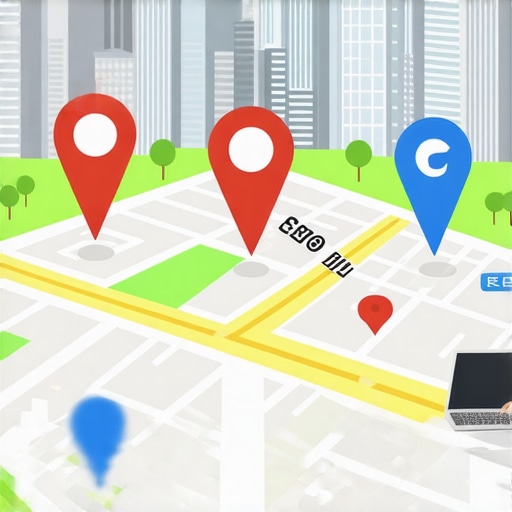
Reading through this article really resonated with me, especially the part about Google’s updates constantly shifting the local SEO landscape. I’ve experienced firsthand how quickly a ranking can plummet when you overlook engagement signals like reviews and active profile management. It’s a reminder that SEO isn’t a set-it-and-forget-it game but rather an ongoing process requiring vigilance and adaptability.
One thing I’ve found useful is leveraging local review management tools to stay consistently engaged with customers. It not only boosts your reputation but also signals to Google that your business is active and trustworthy. I’m curious, have others here found automation tools as effective as manual efforts in maintaining engagement? I’d love to hear about what’s worked best in your experience for balancing automation with authentic interaction.