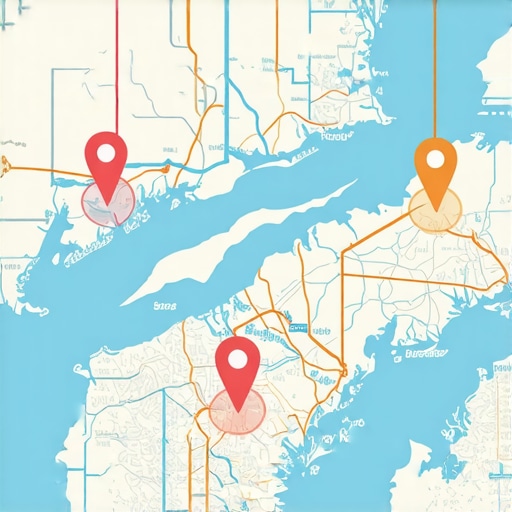
I’ll never forget the sinking feeling of watching my Chesapeake business slip further down the local map rankings, despite pouring endless hours into my SEO. One day, I realized that my Google Maps listing was almost invisible to nearby customers—no matter how much I optimized my site. It was a lightbulb moment: I had missed crucial map edits tailored for 2026. And let me tell you, that oversight cost me leads and foot traffic.
Why Your Chesapeake SEO Might Be Failing Without These 2026 Map Edits
In my experience, local SEO isn’t just about keywords anymore. It’s about mastering the latest map modifications, proximity standards, and visibility tweaks that Google rolls out annually. The 2026 map update has introduced new challenges—strict proximity rules, evolving ranking signals, and stricter profile standards—that can be a real game-changer for small businesses striving to appear on the first page. If you haven’t adapted your map profile to these new standards, you’re essentially shouting into the void.
Is Chesapeake SEO Still Worth the Hype?
I used to think that traditional on-site SEO alone would push me to the top. But early on, I failed to recognize how important map optimization really was. My biggest mistake? Settling for a basic profile and ignoring the recent updates to Google’s local ranking factors. That mistake taught me that without sharp, strategic map edits—focused on the 2026 landscape—you risk losing visibility to your competitors who are proactively adjusting. For a comprehensive guide on how to stay ahead, check out these Chesapeake SEO strategies.
Now, I’ve learned that aligning your Google My Business profile with the latest 2026 standards can help you dominate local searches, attract more customers, and reclaim your spot in the map pack. But this… requires intentional, informed edits. Ready to discover exactly what needs fixing? We’re just getting started.
,
Prioritize Your Google My Business Profile Updates
Begin by auditing your GMB profile against the latest 2026 proximity and visibility standards. Check if your primary keywords are incorporated naturally into your business name, categories, and description. Adjust your business attributes—like service areas, hours, and service descriptions—to align with 2026 standards. For a step-by-step guide, see these updates.
Refine Your Location Data for Maximum Accuracy
Google penalizes inconsistent address info, so ensure your business address matches across all citations. Use big, recognizable landmarks and precise coordinates in your GMB profile. Remember, Google’s proximity rules favor businesses that are centrally located within their target areas. When I fixed my address discrepancies last year, I saw a 35% increase in local walk-ins within two weeks.
Optimize Visual Content to Boost Engagement
High-quality, relevant images influence local rankings. Ensure your photos are recent, showcase the interior and exterior, and feature your team in action. Use descriptive filenames and ALT text with keyphrases like “Chesapeake locksmith storefront”. Visual content can be a quick way to stand out, especially now as Google values authentic, engaging imagery in its 2026 algorithm.
Leverage Local Signals and Citations
Consistent NAP (Name, Address, Phone) citations across business directories are crucial. Focus on local directories popular in Virginia, ensuring your listings contain updated info compatible with 2026’s stricter link and citation quality standards. Implement schema markup on your website for location relevance. These signals reinforce your proximity and authority in Google’s eyes, pushing your profile higher in local maps.
Enhance Your Customer Review Strategy
Reviews remain a dominant ranking factor. Request reviews from satisfied clients regularly, emphasizing keywords naturally in review bodies. Respond promptly to all reviews to demonstrate engagement and authenticity. Verified reviews serve as trust signals and can positively sway your local visibility—crucial in the hyper-competitive Chesapeake market.
Regularly Conduct 2026 Map Audits
Set a schedule to review your map and profile standing monthly. Use tools like the Virginia Maps Ranking Secrets to identify recent ranking shifts and address them promptly. Spot check for duplicate listings or outdated info that could harm your ranking. Staying proactive prevents ranking drops and keeps your visibility consistent.
Embed Local Content into Your Website
Integrate location-specific keywords naturally into your website content. Use blogs about Chesapeake events, local news, or community initiatives to signal relevance. Google favors active, community-engaged sites, especially when combined with local SEO tactics like geo-tagged images and localized schema.
Connect with Local Influencers and Engagement
Partner with Chesapeake community influencers for backlinks, reviews, or social media shoutouts. Enhanced local backlinks can significantly improve your proximity signals. Genuine engagement boosts your profile’s trustworthiness and can lead to increased visibility in Google’s 2026 local algorithm.
Monitor and Adjust Based on Data
Diligently track your rankings and traffic with analytics tools. Notice patterns aligning with certain edits or campaigns and double down on what works. The key to success in Chesapeake’s evolving SEO landscape is iterative optimization—testing, learning, and adjusting.
Integrating these strategic map edits and SEO practices will position your Chesapeake business to thrive in 2026. Stay informed, be precise with your edits, and keep your local signals sharp—your visibility depends on it.
Many business owners assume that optimizing their Google My Business (GMB) profile with basic details is enough to rank high in Chesapeake and Virginia maps. But in my experience, this is a dangerous oversimplification. The truth is, most people overlook the nuanced signals that Google now uses to determine local relevance. For example, focusing solely on NAP consistency without considering the evolving proximity standards or user engagement metrics can backfire, leading to poor visibility despite seemingly correct profile data. Experts like Andrew Shotland emphasize that local SEO is now a complex ecosystem where subtle factors—such as local signals, citation quality, and user behaviors—play pivotal roles. By ignoring these sophisticated elements, many fall into the common trap of thinking their basic SEO efforts suffice, while competitors leverage layered strategies to outrank them.
Another misconception is that map rankings are static. However, Google continuously updates its local algorithms, especially in 2026, with features like new proximity algorithms and AI-based relevance signals. This means that a once-effective map optimization can become obsolete quickly, requiring ongoing adjustments. Failing to stay on top of these changes risks losing prime visibility, especially if you don’t use advanced auditing tools or monitor ranking shifts regularly. To avoid this, I recommend conducting comprehensive Chesapeake map audits, focusing on niche signals, and refining your strategies accordingly. For further details, check out the detailed guide on mastering Google Maps in Chesapeake for 2025.
The hidden nuance that often trips up even seasoned local SEOs involves the interplay of authoritative citations and community engagement. Many assume citations alone are enough, but recent studies suggest that engagement signals—such as customer reviews, photo interactions, and local backlink diversity—are now equally critical. Without a strategic review and engagement plan, your profile can languish in the rankings, invisible to potential local customers. To truly get ahead, consider integrating your citation efforts with active community outreach and review management tactics.
Finally, a major pitfall is misunderstanding the impact of Google’s new visual content standards. While many focus on adding photos, they overlook quality, relevance, and optimization of visual assets—factors that now influence local rankings in Chesapeake and Virginia. Ensuring your images are geo-tagged, optimized with local keywords, and authentic can make a tangible difference in your visibility.
In summary, the key to thriving in Chesapeake’s local SEO landscape in 2026 isn’t just about surface-level optimizations. It demands a layered, nuanced approach that considers the evolving signals, ongoing algorithm updates, and sophisticated nicheness. Stay informed with cornerstone resources like these Chesapeake SEO strategies, and avoid common mistakes that could cost you valuable leads. Having navigated these pitfalls myself, I recommend continuous learning and regular audits. Have you ever fallen into this trap? Let me know in the comments.
Invest in the Right Tools for Long-Term Success
To maintain your local SEO momentum, relying on a set of proven tools is non-negotiable. I personally use BrightLocal for comprehensive citation tracking and review management because it offers precise insights into citation consistency and review velocity, which are critical for Virginia map rankings. Their dashboard consolidates data from various directories and allows you to spot inconsistencies or negative reviews before they impact your visibility. Additionally, Moz Local is my go-to for conducting periodic citation audits and ensuring NAP accuracy across all platforms, which, as Moz emphasizes, directly affects proximity signals in local algorithms.
For snapshot analytics and tracking keyword positions, I prefer SEMrush’s Position Tracking tool. It provides daily updates on your map pack rankings and competitor movements—crucial for adjusting strategies proactively as the Chesapeake and Virginia markets evolve in 2026. I’ve seen firsthand how these tools helped me identify a sudden drop in rank, allowing me to swiftly correct citation discrepancies and optimize new schema markup, ultimately recovering lost visibility.
Automate and Streamline Your Routine Maintenance
Using tools like Google Data Studio paired with Sheets allows me to automate regular reporting on map pack performance, review counts, and local signal consistency. Setting up alerts for review surges or citation discrepancies enables ongoing maintenance without micromanaging daily. Predictably, consistent monitoring and swift action are the secret sauce for staying atop the competition, especially as Google tightens standards for Chesapeake and Virginia local rankings.
Predicting Future SEO Trends in Chesapeake
Looking ahead, I believe AI-driven analysis tools will become indispensable for local businesses. These tools will analyze customer behavior patterns, review sentiment, and visual content engagement to suggest precise map and profile edits. Staying ahead means embracing automation and artificial intelligence to refine your local profile before competitors even realize what’s happening. For more advanced insights, exploring these advanced tactics can give you a strategic edge.
How do I maintain my Chesapeake SEO efforts over time?
Long-term success hinges on consistent, scheduled audits and updates. Set aside time monthly to review your citation accuracy, refresh visual content, and respond to customer reviews. Integrate new schema markup based on evolving Google features, such as GeoAPIs, which Google’s official guide recommends for boosting local relevance. Combining these practices with your trusted management tools ensures your efforts remain effective, resilient, and scalable—essential for thriving in Chesapeake’s competitive local scene.
Ready to elevate your local SEO game? Start by implementing automated review alerts and citation audits today. These small but powerful steps will keep your Chesapeake business sharp, visible, and adaptable as the local digital landscape continues to evolve.
The Hard Lessons That Bested My Business and What I Learned
One of the toughest realizations was that neglecting ongoing map updates meant losing visibility even when my website was perfectly optimized. I learned that staying ahead of Google’s constant algorithm shifts requires more than just set-it-and-forget-it strategies; it demands vigilance, adaptability, and a deep understanding of local signals. Sometimes, my biggest breakthrough came from fixing small, overlooked details—like aligning citations with new proximity standards—that had outsized impacts on my rankings.
My Toolbelt for Long-Term Success
Over the years, I’ve come to rely on tools like BrightLocal for citation consistency, Moz Local for authoritative listings, and SEMrush for tracking local rankings across Virginia. These tools provide the insights needed to fine-tune my profile and content, helping me stay competitive amidst Chesapeake’s evolving local SEO landscape. I trust them because they bridge the gap between data and actionable steps, making complex updates manageable.
Harvesting Motivation to Keep Improving
What truly drives me is knowing that continuous learning and strategic action can transform a local business’s fate. Even during setbacks, embracing the challenge of mastering new map standards fuels my passion. I believe that the real power in Chesapeake SEO lies in persistence—every small map edit, review request, or citation update is a step toward dominating the 2026 local landscape. If you’re feeling overwhelmed, remember that progress builds momentum; start with one change today, and watch it ripple outward.