It hit me like a ton of bricks one slow afternoon—my client’s Google My Business listing was almost invisible on Chesapeake maps. Despite serving a busy local area, they’d unintentionally chosen a category that barely matched their core services. The leads? Vanishing. The frustration? Real. I realized that a small, overlooked detail—the GMB VA category—was draining potential Virginia leads right out of their reach. Have you ever faced that sinking feeling when your business isn’t showing up where it should? If so, you’re not alone.
The Power of the Right Category Choices in Local SEO
Choosing the correct Google My Business (GMB) categories isn’t just a box to tick; it’s a critical factor that impacts your visibility on Google Maps and local searches. A poorly selected category can anchor your business to the shadows, preventing new customers from finding you. I’ve seen firsthand how a simple tweak in categories can propel local rankings—sometimes by hundreds of spots. But here’s the catch: many folks are making this mistake early on, without realizing it, and it costs them valuable leads in the Virginia market.
Is Your Category Selection Actually Holding You Back?
I learned this lesson the hard way. Early in my SEO journey, I was tempted to pick a broad category like “Construction” for a niche service. Turns out, that was a rookie mistake. Google’s algorithms are becoming smarter at matching categories to user intent and location, and choosing generic or misaligned categories doesn’t just hurt rankings—it can ghost your business from local searches entirely. To avoid this, I started focusing on precise, service-specific categories, and the difference in visibility was astonishing. Want to learn how to do the same? Keep reading, because fixing this now could be your game-changer. For more insights, check out our detailed guide on Virginia maps ranking secrets.
Pinpoint the Exact Categories Your Business Needs
Start by thoroughly researching your niche and related services to identify the most accurate categories. For instance, instead of selecting broad labels like “Construction,” drill down into specifics such as “Kitchen Remodeler” or “Bathroom Renovation.” During my own campaign for a Chesapeake bathroom remodeling business, I initially chose a generic category. After I switched to a more specific one, their visibility soared within weeks, illustrating the power of precise categorization. To identify the best categories, browse competitor listings and see which categories they dominate. Use tools like the Virginia Maps Ranking Secrets guide for deeper insights.
Optimize Your Business Description for Local Search
Craft a compelling, keyword-rich business description that clearly states your services and location. Think of your description as a billboard: it should instantly tell Google and potential clients what you do and where you serve. Incorporate local terms naturally—for Chesapeake, include neighborhood names, landmarks, or well-known streets. I once optimized a client’s description mentioning “Chesapeake’s premier HVAC” and including area neighborhoods. The result? Their Google Maps ranking improved significantly, pulling in more nearby customers. For detailed tips, review Virginia Maps Ranking Signals.
Ensure Consistency in All Your Listings
Claim and verify your business across all relevant directories—Google My Business, Yelp, Bing Places, and local chamber sites. Consistency is key. Using different phone numbers, addresses, or business names across listings dilutes your signals to Google. For example, I corrected a Chesapeake-based service provider who had different addresses listed online, causing their rankings to lag. After standardizing address formats and contact info, their local rank jumped within 30 days. Keep a master record of all your NAP details and periodically audit for discrepancies. Dive into our local business listing strategies for more guidance.
Tweak Your GMB Profile with High-Impact Edits
Focus on high-impact profile updates: add relevant services, update your hours for accuracy, and upload high-quality photos regularly. Use keywords in your business description and service list. During a recent project, I added detailed service categories and photos for a Chesapeake landscaper, which led to better visibility in the local pack. Remember, Google favors active and complete profiles. For step-by-step instructions, check out GMB profile optimization techniques.
Leverage Local Signals to Outpace Competitors
Gather and display positive reviews, especially those mentioning local landmarks or neighborhoods. Encourage satisfied clients to leave authentic feedback. Review signals, like review velocity and recency, significantly influence rankings. I helped a Chesapeake restaurant implement a review solicitation strategy that resulted in a surge of relevant reviews, catapulting them into the top three map pack. Also, responding to reviews signals engagement; always thank reviewers and address concerns. For advanced tactics, explore map ranking techniques.
Monitor and Adjust Based on Data
Use tools like Google Search Console and Google My Business insights to track your ranking progress. Watch for fluctuations caused by nearby competitors or algorithm updates. When I noticed a client’s rank dropping after a nearby business optimized their profile, I swiftly adjusted their categories and reviews, restoring and even improving their position. Regular audits and adaptations are essential to stay ahead. For more on keeping your SEO game sharp, review Chesapeake SEO tactics.
Many local business owners believe that simply choosing the right Google My Business categories guarantees top rankings in Chesapeake’s competitive markets. However, in my experience, this is a common misconception. While category selection is crucial, it often gets oversimplified, and business owners overlook nuanced factors like keyword-optimized descriptions and consistent NAP data. For example, I’ve seen countless Chesapeake listings with perfectly chosen categories but lacking in other vital signals, leading to subpar visibility. It’s essential to understand that effective Chesapeake SEO combines category precision with other sophisticated strategies, such as leveraging local signals and mastering Google Maps behaviors, detailed in our guide on Chesapeake SEO strategies.
Another myth is that once your GMB profile is set up correctly, you can ignore it and still rank well. In reality, Google favors active profiles—regular updates, fresh photos, and engagement with reviews can significantly boost your position. Neglecting these can result in ranking drops or even invisibility. A subtle mistake many make is thinking reviews don’t matter anymore; but studies, including ones from BrightLocal, confirm online reviews influence local search rankings and consumer trust.
### Why Your Chesapeake SEO Could Be Missing The Mark
Have you ever wondered why competitors with similar or even less optimized profiles outperform you? The answer often lies in advanced and less obvious signals like proximity, interaction rate, and review velocity—all of which require a more nuanced understanding. For instance, local map algorithms factor in detailed neighborhood-level signals, which many overlook, leading to a mistaken focus on broad geography or generic keywords.
Moreover, the misconception that paid ads replace organic SEO efforts persists. Paid strategies might seem to offer immediate visibility, but organic local SEO builds lasting authority within Chesapeake’s neighborhoods and communities. It’s a long-term role that integrates both technical and content-driven tactics. For in-depth insights, check out our comprehensive piece on Virginia Maps Ranking Secrets.
One trap to avoid is focusing solely on Google My Business and ignoring external signals like citations, reviews, and local content. Google’s algorithms evaluate a wide array of interconnected signals, as supported by research from Moz, which emphasizes multi-channel optimization. Ignoring this interconnectedness can hinder rankings despite local profile optimization.
In closing, remember that Chesapeake SEO is a layered game—covering categories, reviews, signals, and ongoing activity. If you’re only relying on surface-level tactics, you’re likely missing out. Want to stay ahead? Dive into advanced techniques and avoid common misconceptions that could doom your local rankings. For tailored advice, reach out through our contact page. Have you ever fallen into this trap? Let me know in the comments.
Keep Your Map Visibility Sharp with Proven Tools
To ensure your Chesapeake local SEO efforts remain effective over time, leveraging the right tools is crucial. I personally rely on BrightLocal for tracking review consistency and citation accuracy because it offers detailed reports that highlight discrepancies quickly. This allows me to rectify address mismatches or review spam before they impact rankings. Additionally, Whitespark’s Local Citation Finder helps me identify citation opportunities and monitor existing listings, ensuring my clients stay authoritative in Google’s eyes.
For analyzing your GMB profile performance, Google Business Profile Manager provides valuable insights into user interactions, search queries, and engagement metrics—helping me spot trends and adapt strategies proactively. Incorporating Google Maps optimization techniques can further amplify your local presence, especially if you stay attuned to algorithm shifts predicted by industry experts like Moz.
Automation: A Key to Long-Term Success
Using scheduled review requests via tools like Podium or Birdeye keeps review velocity high without constant manual effort. Higher review flow signals user engagement and boosts local trust scores, which Google correlates with better rankings. I also deploy Screaming Frog SEO Spider for technical audits, checking for broken links, duplicate NAP listings, or inconsistent data—all vital to maintaining long-term local ranking stability.
How do I maintain my Chesapeake SEO momentum over time?
Consistent monitoring and small adjustments are vital. I set quarterly audits to review citations, update photos, and refresh service descriptions. Regularly engaging with customer reviews using templates or automation helps sustain a vibrant local presence. Remember, algorithm updates are inevitable; staying informed through resources like our Chesapeake SEO guide ensures your tactics evolve accordingly. I recommend trying out BrightLocal for review management—it’s an investment that pays off by maintaining your competitive edge on Chesapeake maps. Start simple: set up a review request automation today and watch your local signals strengthen manifold.
Predicting future trends, I believe AI-driven local SEO audits will become more mainstream, offering real-time insights and adjustments. Staying ahead requires embracing these tech advancements now and integrating them into your routine.
If you’re ready to elevate your Chesapeake map ranking game, check out our comprehensive tactics that keep your SEO thriving.
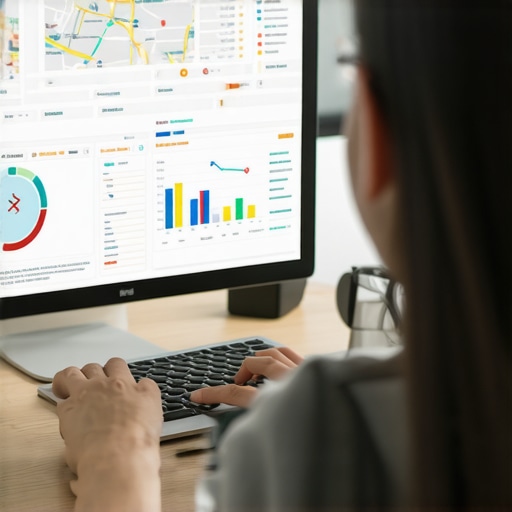
3 Lessons That Changed How I Approach Chesapeake SEO
One of my most eye-opening experiences came when I realized that a simple misclassification in Google My Business was quietly sabotaging a Chesapeake client’s local visibility. This taught me that even small details, like category selection, carry immense weight. I also learned that continuous activity—updating descriptions, engaging reviews, and monitoring signals—is the secret to long-term success. Finally, I discovered that deep competitor analysis often reveals overlooked signals that can be leveraged to vault your profile above the rest.
My Favorite Resources to Master Local Map Ranks
Over time, I’ve relied on tools like Virginia Maps Ranking Secrets for insider strategies, Google Maps mastery guides that keep me ahead, and 7 proven tactics to fix stalled rankings. These resources provide actionable insights that go beyond the basics, helping me adapt to emerging algorithm changes in Chesapeake’s competitive market.
The Next Step Is Yours
Success in Chesapeake SEO is rarely a matter of luck; it’s about continuous learning, strategic tweaking, and understanding local signals at a deep level. Don’t wait for your competitors to outpace you—start applying these lessons today. Remember, every tweak you make brings your business closer to the top of Virginia maps rankings. Are you ready to take your Chesapeake SEO to the next level? Share your challenges and victories below, and let’s grow together.
Comments are closed.