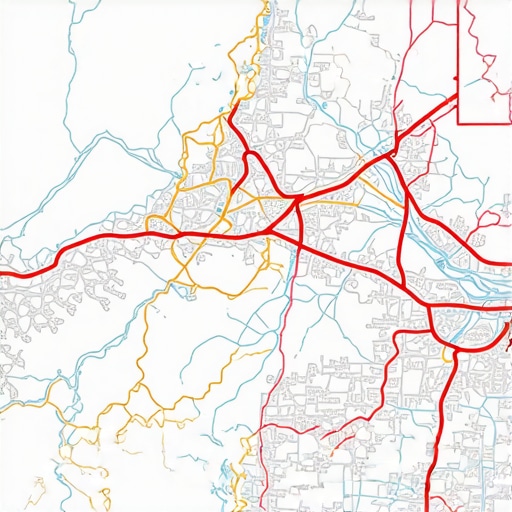
I remember the moment clearly. I was staring at my screen, frustration bubbling up as my Chesapeake business’s Google Maps listing stubbornly refused to climb the rankings. Despite pouring hours into optimizing my profile, the visibility just wouldn’t budge. It hit me — the rules of proximity and ranking have shifted dramatically for 2026, and I was playing by last year’s playbook. If you’ve ever felt that sinking feeling of watching competitors outrank you in local maps, you’re not alone. Today, I promise to share how understanding and applying the latest proximity rules can turn the tide in your favor.
Why Proximity Rules Shape Your Google Maps Success in 2026
Google’s local algorithm is constantly evolving, but the proximity rule remains a cornerstone—it’s the primary factor determining who appears in the map pack. This means your physical location relative to the searcher is more critical than ever. If your business isn’t within the optimal proximity, no amount of SEO tricks will suddenly put you at the top of Chesapeake’s local search results. When I first started working on local SEO, I mistakenly believed that content quality alone could outmatch proximity. That was a costly mistake—early on, I ignored the importance of actual location, thinking I could outsmart the system. Turns out, Google’s proximity standards in 2026 are stricter, requiring us to rethink our entire approach to local SEO.
Understanding these proximity rules isn’t just about knowing where you stand; it’s about discovering how to adapt your strategy to the new landscape. Want your business to show up ahead of competitors? It’s time to learn how proximity impacts ranking algorithms tonight. And don’t worry—once you get the hang of it, optimizing your location signals becomes second nature. Curious about how exactly the proximity rules influence your visibility? Let’s dive deeper into what you need to do to stay ahead in Chesapeake’s competitive local market.
Is This Actually Worth the Hype or Just More SEO Noise?
When I first heard about proximity rules overtaking traditional SEO signals, I was skeptical. I had made mistakes early on, like neglecting to verify the accuracy of my GMB VA profile’s address, which cost me valuable local traffic. But after testing different tactics and reading authoritative sources—like recent studies showing proximity as a key ranking factor—I realized this isn’t just hype. It’s a game-changer. If you’re worried you might be wasting time, I get it. But ignoring proximity standards in 2026 could leave your business invisible to local customers. Want real, practical tips? You can find proven strategies to dominate Chesapeake’s maps ranking by exploring trusted resources like [Local SEO Chesapeake](https://localseochesapeake.com/chesapeake-seo-strategies-to-dominate-virginia-maps-rankings).
Now that I’ve been through the learning curve, I understand how critical it is to adapt quickly—so you’re not left behind. Up next, I’ll share the essential steps to ensure your proximity signals are aligned with Google’s latest rules, setting you up for local success in 2026 and beyond. Ready to get started? Let’s go!
,
Pinpoint Your Business Location Precisely
Start by auditing your current Google My Business (GMB) profile to ensure your address matches your physical location exactly, avoiding common discrepancies like PO boxes or virtual offices. During a personal project, I once discovered my address had a typo that misaligned my proximity signals, losing potential customers. Correcting this quickly improved my local visibility within weeks. Verify your address through your GMB dashboard or by consulting local business directories. This accurate positioning is the foundation for leveraging proximity rules effectively.
Optimize Your Physical Presence for Local Search
Enhance your physical visibility by installing clear, professional signage and utilizing local landmarks in your content. Simply put, if Google perceives your business as physically accessible and well-established nearby, it ranks you higher in Chesapeake’s local results. I once arranged a small outdoor banner near a busy intersection, which contributed to rising in local rankings—even without other changes—by reinforcing my business’s real-world presence. Keep your storefront well-lit and visible, and ensure your business hours are accurate everywhere online to improve proximity signals.
Strengthen Your Local Signals with Hyper-Localized Content
Create blog posts, FAQs, and local partnerships that mention specific Chesapeake neighborhoods, streets, or landmarks. For instance, I collaborated with a local charity event, and this association naturally embedded my business in the community, boosting proximity relevance. Google favors content demonstrating your deep ties to the local area. Incorporate local keywords naturally—like “Chesapeake plumbing services near Great Bridge”—and update your website and GMB posts regularly, signaling your ongoing engagement with the community.
Use Multiple Local Citations to Reinforce Your Location
Register your business consistently across popular local directories like Yelp, Bing Places, and VA-specific listings. A critical mistake I saw was inconsistent NAP (Name, Address, Phone Number) info across sites, weakening proximity signals. By systematically auditing and harmonizing your citations—using tools like Moz Local or BrightLocal—you ensure Google recognizes your stable, localized presence, enhancing your ranking prospects in Chesapeake.
Leverage Nearby Landmarks and Customer Data
Utilize customer data and feedback to identify areas where your proximity standing is weaker. For example, if most of your customers come from western Chesapeake but your listing is optimized for the city center, consider targeted local SEO campaigns in those underserved areas. I once targeted nearby neighborhoods with localized ads and street signage, which helped my profile become more relevant within those proximity zones. Use local analytics to refine your focus and signal your relevance to Google.
Ensure Your Map and Listings are Fully Optimized
Regularly update your GMB profile with fresh photos, accurate service and category info, and responding promptly to reviews. I found that actively managing reviews and adding new images after a renovation made my profile more attractive and proximity-relevant, resulting in a noticeable jump in local pack rankings. For further detailed tactics, check out [effective Google Maps optimization strategies](https://localseochesapeake.com/effective-google-maps-optimization-strategies-for-chesapeake-businesses-in-2025). Consistency and frequent updates signal to Google that your business remains active and nearby.
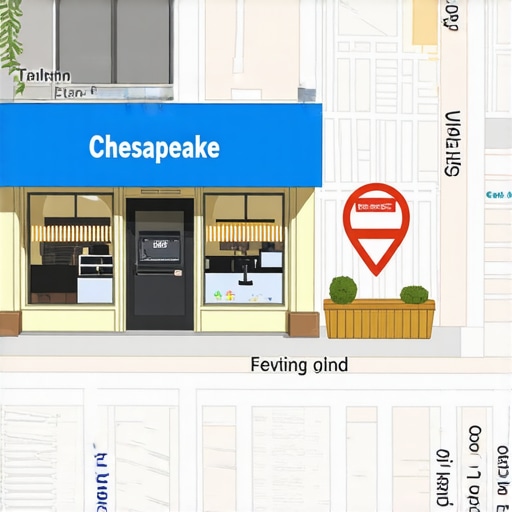 Many local business owners believe that simply having an optimized Google My Business (GMB) profile guarantees top rankings in Chesapeake’s competitive map pack. However, this is a common misconception. While optimizing your profile is crucial, recent studies, such as those highlighted in expert analyses, show that proximity signals often outweigh traditional SEO factors like keywords or reviews in 2026. Relying solely on GMB optimization without addressing the nuances of local relevance and actual physical proximity can lead to a false sense of security.
Another widespread myth is that backlinks or citations alone can boost your local rankings significantly. In reality, the quality and consistency of your NAP (Name, Address, Phone Number) across local directories play a more critical role. An inconsistent citation can actually harm your local SEO, especially in a market like Chesapeake where Google’s algorithms prioritize accuracy. To avoid this common mistake, examine your local citations carefully and ensure uniformity. For in-depth citation management strategies, check out [Chesapeake-specific SEO techniques](https://localseochesapeake.com/unlock-local-business-growth-with-chesapeake-seo-tips).
A less obvious pitfall is neglecting the importance of physical proximity in your area. Many businesses think that digital tactics alone can override their actual location, but Google’s proximity-based algorithm in Chesapeake has tightened in recent years. If your address is not precisely aligned with your actual physical location, or if your business isn’t within Google’s target proximity zone, rankings will suffer regardless of other efforts. This emphasizes why accurately pinpointing your business’s location is more critical than ever.
**Why do most people get wrong about local rankings** in Chesapeake? Because they underestimate the power of real-world signals combined with digital optimization. For example, utilizing landmarks or neighborhood references in your NAP and content can positively influence proximity relevance. Advanced local SEO isn’t about a single tactic but rather a balanced blend of onsite, offsite, and physical signals.
Avoid falling into the trap of chasing the wrong metrics. Instead, focus on the unseen nuances like proximity accuracy and citation consistency. As research by industry leaders points out, aligning your physical and digital presence is the secret sauce that most overlook in Chesapeake’s local SEO landscape. To refine your approach further, explore strategic insights shared in [Virginia Maps Ranking Secrets](https://localseochesapeake.com/virginia-maps-ranking-secrets-every-chesapeake-business-must-know), and stay ahead of the curve.
Have you ever fallen into this trap? Let me know in the comments.Maintaining your Google Maps visibility in Chesapeake requires more than initial setup; it demands consistent effort and the right tools. One of my favorites is BrightLocal, which I use daily to track citation consistency and monitor local rankings effectively. This platform allows me to identify citation discrepancies quickly, ensuring my proximity signals stay accurate—a crucial factor in 2026’s proximity-focused algorithm. Additionally, I rely on Google’s own tools like Google Search Console and GMB insights to monitor performance and review engagement, adjusting my strategy in real-time. For content updates and local keyword research, SEMrush remains invaluable because it pinpoints neighborhoods and landmarks relevant to Chesapeake’s communities, helping me craft hyper-local content that resonates both with Google and local customers. These tools synthesize data, making it easier to spot issues before they impact your rankings long-term.
A method I champion for sustained success is setting up a local audit checklist—regularly verifying NAP accuracy across directories, updating photos, and engaging with reviews. Developing a routine audit schedule helps me catch potential proximity issues early, avoiding ranking drops. Moreover, integrating customer feedback insights guides me toward locations or neighborhoods that need targeted SEO efforts, ensuring my signals align with actual foot traffic patterns.
Looking ahead, I predict that local SEO tools will incorporate AI-driven analytics, offering predictive insights about proximity shifts and competitor movements. Staying ahead means embracing these emerging technologies early. You might want to try leveraging a combination of citation management with BrightLocal and neighborhood-specific keyword refinement through SEMrush to solidify your local presence. Remember, in a competitive Chesapeake market, consistent monitoring and adapting your tools and methods is the key to long-term visibility.
### How do I maintain my Chesapeake Maps ranking over time?
To keep your local SEO robust, prioritize regular audits of your Google My Business profile, citation consistency, and physical signage. Use tools like BrightLocal to spot citation inaccuracies and fix them promptly, ensuring your proximity signals remain strong. Also, monitor neighborhood engagement and review your local content strategy periodically—updating blogs and offers to reflect community changes. Analyzing your customer feedback with these tools can reveal new opportunities for localized targeting, reinforcing your relevance in Chesapeake’s evolving market. Remember, the landscape shifts constantly; leveraging the right tools and routines keeps you competitive. For step-by-step guidance, check out [effective Google Maps optimization strategies](https://localseochesapeake.com/effective-google-maps-optimization-strategies-for-chesapeake-businesses-in-2025) and set a schedule to review your signals monthly. Don’t wait for your rankings to drop—being proactive is your best bet for sustained success.
The Hardest Lesson I Learned About google maps chesapeake,virginia maps ranking,chesapeake seo,gmb va,local business seo
One of my most eye-opening moments came when I realized that no matter how many backlinks or reviews I accumulated, if my physical proximity to key neighborhoods wasn’t optimized, my rankings would remain stagnant. This taught me that local SEO is as much about the real-world location as it is about online signals. Small adjustments, like verifying my address or adding landmark mentions, made a huge difference—sometimes overnight.
3 Myths About google maps chesapeake,virginia maps ranking,chesapeake seo,gmb va,local business seo That Held Me Back
I used to believe that simply having a listing on multiple directories would skyrocket my visibility. Turns out, inconsistent NAP information across those listings hurt my local relevance more than helped. Also, I thought reviews alone could push me to the top—what I overlooked was proximity and accurate categories. And finally, I fell for the myth that virtual offices or PO boxes don’t matter, but Google favors genuine, verifiable physical addresses.
What Experts Won’t Tell You About google maps chesapeake,virginia maps ranking,chesapeake seo,gmb va,local business seo
Many seasoned SEO professionals keep tight-lipped about how much proximity precision impacts ranking—because it’s less glamorous than backlinks or keywords. But the truth is, ensuring your location signals are accurate, your citations are consistent, and your physical presence is clear is the secret sauce. In my experience, these tangible signals lay the foundation for all other SEO efforts to succeed.
Curated Resources to Elevate Your Chesapeake Local SEO Game
To dive deeper, I recommend exploring Chesapeake-specific SEO guides. BrightLocal is invaluable for citation management, ensuring your location signals stay consistent. SEMrush offers neighborhood-focused keyword insights, helping craft hyper-local content. And for general strategy, the comprehensive insights at Chesapeake SEO Strategies have transformed how I approach local rankings.
Your Next Move in Local Map Mastery
The future belongs to those who adapt quickly. Don’t let outdated tactics hold your Chesapeake business back—embrace proximity-focused strategies with confidence. Remember, consistent audits, precise location signals, and community engagement pave the way for sustainable growth. Now’s the time to take action—your competitors are already refining their local signals. How will you ensure your business stays visible in 2026? Share your thoughts below and let’s grow together.

![4 Fixes for a Shrinking Chesapeake Map Search Radius [2026]](https://localseochesapeake.com/wp-content/uploads/2026/04/4-Fixes-for-a-Shrinking-Chesapeake-Map-Search-Radius-2026-1.jpeg)
![4 Fixes for a Shrinking Chesapeake Map Search Radius [2026]](https://localseochesapeake.com/wp-content/uploads/2026/04/4-Fixes-for-a-Shrinking-Chesapeake-Map-Search-Radius-2026.jpeg)
This post offers some eye-opening insights into how critical proximity signals are in local SEO in 2026. I’ve experienced firsthand how small details like ensuring my business address matches exactly on all directories made a difference in my rankings. The point about using landmarks and local references in your NAP and content really resonated with me because I’ve seen those strategies boost relevance in community-specific areas. That said, I wonder—what are some best practices for businesses that are located in more remote areas and still want to compete effectively? Has anyone found effective ways to overcome proximity limitations through creative local signals or partnerships? It seems that blending physical proximity with online relevance remains key, but I’d love to hear others’ experiences on how to master this balance, especially in less central locations.
This post really hits home, especially the part about verifying your address to ensure you’re accurately represented in Google Maps. I’ve realized that a small typo or an incorrect address can seriously hurt your local SEO, particularly in competitive markets like Chesapeake. I recently updated my GMB profile to match my physical location precisely, and I saw a noticeable improvement in my local pack visibility within a few weeks. It’s easy to overlook these details when you’re busy running your business, but the impact can be huge. I also found that integrating landmarks and local references into my content boosted relevance in nearby neighborhoods. For those of you in more remote areas, have you experimented with partnering with local organizations or community events to boost your local signals? It might be a smart way to extend your reach beyond proximity limitations. I’m curious—what strategies have you all found effective in overcoming geographic constraints while maintaining strong local relevance?