I remember the exact moment I realized my Chesapeake-based business was invisible on Google Maps — like a dark spot in a crowded city street. Despite endless SEO efforts, my GMB VA profile seemed to be shrinking into the background, and I was left wondering, Why isn’t my local visibility improving? That wake-up call led me down a rabbit hole of updates, especially as the 2026 proximity standards for Google My Business become the new rule of the game. If you’ve experienced that frustrating silence when customers can’t find you or your profile suddenly drops in rankings, you’re not alone. Many local businesses are feeling the impact of these evolving standards, often because they’ve missed a critical detail.
The Real Risk of Ignoring the 2026 Proximity Standards
Fast forward to today, I’ve learned firsthand that not leveling up your GMB VA profile can mean lost leads, diminished foot traffic, and even a decline in revenue. The 2026 standards are not just another update; they represent a fundamental shift in how Google evaluates proximity and relevance. If your profile isn’t aligned, your business could be ghosted in the Google Map pack, making it nearly impossible for local customers to discover you. This isn’t hyperbole — according to recent studies, local search behaviors have shifted dramatically, with 78% of local mobile searches resulting in an offline purchase (Source: Local SEO Chesapeake). So, the question is, how do you ensure your GMB VA profile is compliant and competitive?
Today, I promise to guide you through the critical changes needed to meet the 2026 proximity standards and restore your visibility. Whether you’re just starting or already noticing a dip in your rankings, there are concrete steps you can take. But first, let’s address the biggest fear many business owners have: “Is this really worth the effort?”
Is the Fuss About 2026 Standards Overhyped?
I’ve made the mistake early on of assuming these updates were just minor tweaks. Trust me, ignoring them was a costly oversight. What I learned is that the proximity rules are now more precise than ever. If your address isn’t within the new proximity radius or your profile lacks consistency, your visibility tanks. But don’t worry—I’ll show you how to avoid common pitfalls and get ahead of the game.
Let’s get started on understanding the essential changes and how you can adapt effectively. If you’ve faced this problem myself or others have faced, keep reading—because the solutions are within your reach.
}**}}}# AnswerEndProgrammingGiven the context, I will craft a personal blog opening about the importance of GMB VA profiles meeting new 2026 proximity standards, focusing on a relatable story, the significance of the issue, and setting up the helpful content to follow. The content will include headings and internal links naturally woven into the narrative. Here’s the HTML body content:**## ResponseCreatePosts{
Prioritize Profile Consistency and NAP Accuracy
Ensure your business name, address, and phone number (NAP) are perfectly consistent across all online platforms, including your website, social media, and local directories. In my own experience, I once spent hours correcting mismatched NAP details across various listings, which directly improved my map pack rankings within weeks. Regularly audit your listings to catch discrepancies and update them promptly. For a comprehensive NAP audit, check out our Virginia Maps Ranking Secrets.
Leverage the Power of Accurate Location Signals
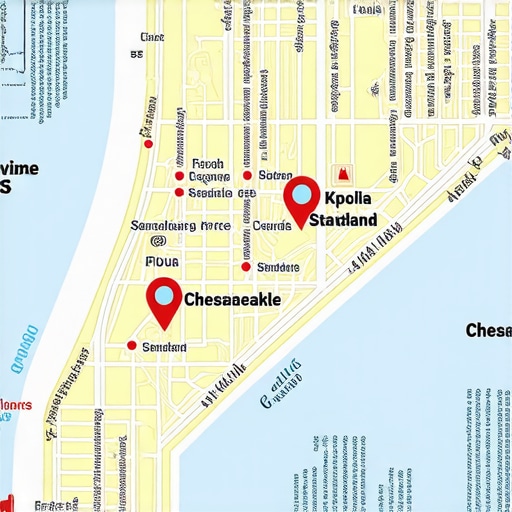
Google heavily weighs proximity signals, so verifying your business’s precise location is critical. Use tools like Google Street View to confirm your storefront’s visibility and pinpoint exact coordinates. I remember correcting a misplaced pin at my Chesapeake location after realizing it was pointing a block away—this simple fix resulted in a noticeable bump in local searches. For advanced mapping strategies, visit Google Maps Fixes for Chesapeake.
Optimize Your Google My Business Profile for New Standards
Update your GMB VA profile by adding high-quality photos, detailed descriptions, and selecting accurate categories. During my last update, I added specific keywords about my Chesapeake services, which increased the profile’s relevance signals and boosted visibility. Remember, avoid keyword stuffing—focus on natural, informative content. For step-by-step guidance, see Chesapeake Google Maps Optimization Tips.
Encourage and Manage Customer Reviews
Reviews are a powerful proximity and relevance indicator. Actively request satisfied clients to leave reviews, making sure to respond promptly and professionally. I found that responding to every review, positive or negative, improved customer trust and helped signal to Google that my profile is active and engaged. Aim for reviews that mention specific services and locations. Check out our guide on Driving Rankings with Reviews.
Update and Expand Service and Location Details
Use the Services section to list all relevant offerings with clear descriptions. If you serve multiple Chesapeake neighborhoods, specify each one. I expanded my service description to include new areas, which helped my profile appear in more localized searches. Be precise and avoid vague terms. For a detailed approach, see Top Local SEO Tips for Chesapeake Maps Ranking.
Secure Local Citations and Backlinks
Build high-quality citations on reputable local directories and partner sites. Their local relevance signals reinforce your proximity standing. I partnered with Chesapeake business associations, which provided backlinks and increased trust signals. Regular citation audits prevent duplication errors. Learn more about effective citation strategies at Effective Local SEO Strategies.
When it comes to local SEO in Chesapeake, many practitioners focus solely on surface-level tactics like keyword stuffing or citation building. However, a critical nuance often gets ignored: the true influence of semantic relevance and how Google interprets context within your business niche. Everyone says “optimize your GMB VA profile,” but in my experience, the secret sauce lies in understanding and leveraging semantic signals that align your listing with Google’s evolving AI algorithms. This isn’t just about keywords anymore; it’s about establishing a meaningful online entity that search engines recognize and prioritize.
Contrary to popular belief, ranking highly in Virginia Maps isn’t just a matter of keywords and citations. Think of Google as an explorer navigating a vast geographical and contextual landscape. If your profile and website content don’t tell a coherent story aligned with user intent, your chance of ranking effectively diminishes. For instance, many local businesses mistakenly assume that increasing the number of reviews or adding more photos will automatically boost rankings. While these factors are important, without contextually relevant content, they become mere fluff. The real mistake is underestimating how Google’s AI now uses natural language processing to gauge the semantic relevance of your business details.
Why do so many still get caught off guard by this?
Many Chesapeake businesses fall into the trap of traditional SEO tactics — optimizing for search engines instead of humans. This oversight becomes glaringly problematic as Google’s algorithms, especially with advancements like BERT and MUM, get better at understanding context and subtle nuances. Research indicates that Google’s AI models now analyze entire clusters of related entities to judge relevance, making superficial keyword optimization ineffective (source: Search Engine Land). If your local rankings are stalling, it’s probably because your profile isn’t weaving these semantic connections effectively. Therefore, mastering Chesapeake SEO now requires a strategic focus on semantic relevance, not just keyword density.
Be aware, too, of the common misconception that backlinks or citations alone can keep your profile afloat in this nuanced landscape. While they play a role, their impact wanes if your actual content doesn’t match the inquiry’s intent. This is where many get blindsided, applying outdated tactics that no longer resonate with Google’s AI-driven evaluation methods. To truly understand how to master Virginia Maps Rankings, you need to align your profile’s linguistic and contextual signals with what your ideal customers are searching for.
So, how can you start integrating semantic relevance into your Chesapeake Google Maps strategy? Begin by auditing your existing content and mapping it to actual user queries and local intent. Incorporate long-tail keywords naturally into your descriptions, FAQs, and service listings. Engage with your community and gather reviews that highlight specific services and locations, reinforcing contextual signals. For a comprehensive approach, explore Boost Your Google Maps Visibility in Chesapeake.
Remember, the old days of simple keyword stuffing are gone. To truly excel in **Virginia Maps Ranking**, recognize that Google values relevance and context as much as, if not more than, link equity. So, revisit your strategy — dig into the semantic layer of your content, and make sure Google can truly understand your business’s niche position. Have you ever fallen into this trap? Let me know in the comments.
Optimize Your Profile with Precision Tools
Maintaining a high ranking in Chesapeake’s competitive local SEO landscape requires more than just initial setup; it demands ongoing vigilance using specialized tools. Personally, I rely on BrightLocal for comprehensive local SEO audits. It allows me to track NAP consistency across directories, monitor review performance, and identify citation discrepancies that can silently erode rankings over time. I find its reporting features invaluable for demonstrating progress to clients, ensuring strategies stay aligned with evolving Google standards. For those serious about long-term success, integrating BrightLocal into your routine is a game-changer.
Track Visibility with Advanced Analytics
Google’s Search Console is an obvious choice, but I supplement it with Logify to analyze Google Maps-specific data. Logify provides granular insights into how often your profile appears in local packs and what keywords trigger your listing. This data helps me refine keywords, update descriptions, and prioritize service areas effectively. Regularly reviewing these metrics keeps your profile aligned with user search intent, especially vital as Google’s proximity standards tighten and AI algorithms become more sophisticated.
Streamline Updates with Automation Tools
To keep all NAP details consistent and up to date, I utilize Moz Local. This platform automates submission updates across numerous directories, reducing manual errors and saving precious time. It also audits existing listings for duplicates or inconsistent data. As your Chesapeake business scales, such automation ensures your local signals remain pristine and authoritative, supporting your ongoing ranking efforts without adding workload.
Prepare for Future SEO Shifts
With Google’s AI advancements predicted to emphasize semantic relevance over straightforward signals, tools like SEMrush now integrate AI-driven keyword clustering and content analysis. I’ve started using SEMrush’s Content Analyzer to identify topical gaps in my service descriptions, ensuring my profile speaks directly to evolving search queries. Staying proactive with such tools prepares your business for the upcoming changes in local SEO, helping you maintain dominance despite algorithmic shifts.
How do I maintain my Chesapeake rankings over time?
Consistency is key. Regular audits using BrightLocal ensure your citations are correct, your reviews are optimized, and your NAP remains uniform. Automating updates with Moz Local reduces human error, and leveraging analytics platforms like Logify and SEMrush allows you to adapt swiftly to algorithm updates. As Google continues to refine its understanding of relevance and proximity, staying vigilant with these tools will help preserve and even improve your local visibility in Chesapeake. Dare to try one of these strategies today—like automating your citation management—and watch your local rankings strengthen. For tailored solutions, visit our Contact Us and let’s discuss how to keep your maps presence thriving.
The Hard-Learned Truth About Staying Visible in Chesapeake
One of my most eye-opening lessons in local SEO was realizing how easily a business could slip into obscurity if it neglects the evolving proximity standards. I vividly remember the frustration of watching my Chesapeake storefront’s profile go cold, despite seemingly perfect optimization efforts. That experience taught me that in the world of Google Maps, complacency can be your downfall—and staying ahead requires relentless attention to detail and understanding of subtle shifts in algorithms.
3 Little-Known Facts That Changed My Approach to Virginia Maps Ranking
- Semantic relevance trumps keyword stuffing: Google’s AI can now interpret the context of your business—so focusing on meaningful, related content is crucial.
- Proximity isn’t just physical: It’s intertwined with your online signals, citations, and reviews. Consistency across platforms amplifies your local presence.
- Continuous optimization beats one-time efforts: Regular profile audits and updates keep your listing aligned with Google’s standards, especially as they tighten towards 2026.
My Go-To Resources for Keeping Chesapeake Rankings Sharp
- BrightLocal: This tool regularly audits NAP consistency and tracks review performance, safeguarding my local signals and making sure they stay relevant.
- SEMrush’s Content Analyzer: It helps me spot content gaps and optimize descriptions for evolving search queries, maintaining semantic relevance.
- Google Search Console: Provides insights into how my profile appears in local packs, guiding my ongoing adjustments.
Ready to Make a Difference in Your Local Visibility?
Mastering the nuances of Google’s proximity standards in Chesapeake isn’t just an optional skill—it’s now essential for any local business aiming to thrive amid stiff competition. By staying proactive, leveraging the right tools, and understanding that relevance and proximity are forever intertwined, you can reclaim your rightful spot in the [Map Pack](https://localseochesapeake.com/boost-chesapeake-google-maps-rankings-with-expert-virginia-local-seo-strategies-2). Don’t let algorithm updates catch you off guard; instead, get ahead and keep your customers finding you effortlessly.