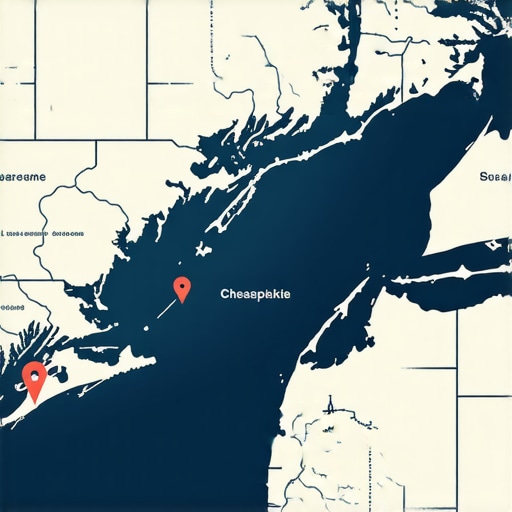
I remember the exact moment I realized my local business was invisible on Chesapeake’s Google Maps. I had poured so much effort into my storefront, but online, I was lost in the digital crowd. Frustration turned into an epiphany: I needed to master Chesapeake Google Maps Optimization Strategies for 2025 if I wanted to thrive. That was my lightbulb moment, and trust me, you’re not alone if you’ve felt the same sting of obscurity. Many small-business owners in Chesapeake underestimate how crucial effective local SEO is for visibility, especially in such a competitive market. But here’s the good news: with the right approach, you can dramatically improve your Google Maps rankings and attract more local customers. Today, I promise to share proven strategies that turned my frustration into results, and they can do the same for you.
Why Chesapeake Google Maps Visibility Can Make or Break Your Business
The fact is, over 80% of consumers consult Google Maps when searching for local services, making it a vital channel for attracting new customers. If your business isn’t appearing in the top results, you’re essentially invisible to potential clients right around the corner. In Chesapeake, where local competition is fierce, just having a listing isn’t enough; you need to dominate the map pack.
Early on, I overlooked some essential elements, like optimizing my Google My Business (GMB) profile effectively. I made the mistake of assuming that having an active listing alone would suffice—big mistake. Research shows that optimized GMB profiles can boost local search visibility by up to 70%. That’s when I realized that strategic Google Maps optimization isn’t just a checkbox—it’s the backbone of local SEO success.
So, why does this matter now, in 2025? The digital landscape is constantly evolving. Google’s algorithms prioritize relevance, proximity, and authority more than ever. If you’re not adapting, your competitors will outrank you, losing valuable foot traffic and sales. Don’t let that happen to you.
Are you struggling to get your Chesapeake business noticed on Google Maps? If so, you’re not alone, and the good news is that actionable steps can turn things around. Next, we’ll dive into some concrete strategies to boost your Google Maps ranking, ensuring your business stands out where it counts. For more detailed insights, you might find this [comprehensive guide](https://localseochesapeake.com/ultimate-guide-to-google-maps-optimization-for-chesapeake-virginia-businesses) helpful.
Claim Your Spot on the Map: Set Up Your Google My Business Profile Correctly
Before you can outrank competitors, your GMB profile must be perfectly optimized. Start by claiming your listing at Contact Us and ensure all information is accurate and consistent across platforms. Use a recognizable business name, list the correct address, and pick the most relevant categories. Don’t overlook your phone number and website—these are vital signals for Google. I once hurried through my initial setup, only to realize later that inconsistent phone numbers hurt my rank, forcing me to spend hours correcting details. Make this step thorough from the start to avoid costly fixes later.
Harness Local Keywords to Signal Relevance
In Chesapeake, local keywords are your secret weapon. Incorporate hyper-specific terms like “Chesapeake HVAC Services” rather than generic phrases. Use keyword research tools or explore competitors’ profiles to identify high-impact keywords. When I added phrases like “Chesapeake Deck Builder” to my profile and website, I saw an immediate uptick in local inquiries. Remember, Google looks for relevance; your keywords should mirror what your potential customers search for in Chesapeake.
Optimize Your Online Citations and NAP Consistency
Think of citations as endorsements from trusted directories—Yelp, Bing Places, and industry-specific sites. Ensure your Name, Address, Phone (NAP) information matches your GMB profile exactly. Discrepancies are like confusing signals to Google. I initially missed updating my NAP on several directories, which delayed my rankings. Once I corrected these, the visibility boost was undeniable. Regular audits to verify citation consistency can prevent ranking drops.
Collect Reviews That Signal Authority and Trust
Reviews are social proof and heavily influence ranking. Aim for genuine, relevant feedback from satisfied Chesapeake customers. Implement processes like follow-up emails prompting reviews—just as I did after completing a job, which resulted in several five-star reviews. Respond to each review professionally to demonstrate engagement. The more high-quality reviews you gather, the more authoritative your profile appears to Google, pushing you higher in the map pack.
Post Regular Updates to Keep Your Profile Active
Consistent posting demonstrates activity and relevance. Share updates about new services, special offers, or community involvement directly through your GMB dashboard. When I added monthly posts detailing seasonal promotions, I noticed increased engagement and improved rankings. Use keywords naturally within posts and include high-quality images to enhance appeal.
Nurture Your Local Links and Backlinks Strategy
Build relationships with Chesapeake local websites, chambers, and partner businesses to earn backlinks. These signals amplify your authority in Google’s eyes. I reached out to local suppliers and event organizers; securing backlinks and mentions helped elevate my map rankings significantly. Prioritize relevance and avoid spammy link farms—quality always trumps quantity.
Implement On-Page SEO for Your Website
Your site must mirror your GMB efforts with optimized titles, headers, and content focused on Chesapeake-specific keywords. Clear, keyword-rich meta descriptions and structured data markup (like Schema) help Google understand your location. I once neglected this step, which limited my site’s ability to rank alongside my GMB listing. Integrating these elements streamlines your local SEO efforts and anchors your ranking.
Monitor and Adjust with Google Maps Insights
Finally, use Google Maps and Search console insights to track your progress. Watch for changes after implementing each tactic, and be ready to pivot. Regularly reviewing your analytics reveals what works and what doesn’t, allowing you to refine your strategy continuously. I learned this the hard way—initial efforts showed little movement until I started analyzing data and tweaking my approach.
Mastering Chesapeake Google Maps optimization isn’t a one-time task; it requires ongoing effort and adjustment. For in-depth strategies, visit this guide to keep your business at the top of local searches. Stay proactive, and you’ll turn your Google Maps listing into a powerful lead generator.
Many local business owners believe that optimizing their Google My Business profile and accumulating reviews are enough to rank high in Chesapeake and Virginia maps. While these are critical steps, there’s a less obvious but equally vital factor that often gets overlooked: understanding and leveraging Google’s local algorithm nuances. Most people get this wrong because they focus solely on surface-level tactics, assuming that consistency and volume are all that matter. In reality, Google’s algorithm for local rankings in Chesapeake considers a complex interplay of relevance, proximity, authority, and behavioral signals, and these elements are constantly evolving.
A common myth is that having a keyword-optimized business name or excessive citations automatically guarantees high map rankings. While keywords and citations influence relevance and authority, they are not foolproof. Google’s local algorithm has become more sophisticated, incorporating machine learning models that interpret user intent and engagement patterns. For example, if your listing receives a high click-through rate and positive interactions, it signals to Google that your profile is genuinely valuable for local searches. Neglecting this behavioral aspect can be a costly mistake.
Let me warn you about a subtle trap: over-optimizing with manipulative tactics. Some business owners attempt to game the system by keyword stuffing in reviews or creating fake citations, believing that more signals will propel their rankings. However, Google has become adept at identifying and penalizing such black-hat strategies. Engaging in these practices can lead not only to ranking drops but also to keyword deindexing—a severe setback. The key is to focus on authentic, value-driven SEO practices that build trust over time.
So, how can you truly master Virginia maps ranking beyond basic tactics?
First, prioritize user engagement metrics—monitor how potential customers interact with your listing, website, and reviews. Implement strategies to encourage genuine feedback and higher engagement, which signals relevance and authority to Google.
Second, stay updated with algorithm changes. Google’s local search algorithm continues to evolve, emphasizing local content quality, user experience, and trusted backlinks. Regularly review your strategy with authoritative resources, such as the comprehensive guides on effective Chesapeake SEO strategies.
Third, optimize your internal and external signals comprehensively. Ensure your website’s local SEO is aligned with your GMB profile, using structured data markup and localized content to reinforce relevance.
While the surface tactics deliver short-term wins, understanding these hidden nuances can be your game-changer. As research from Moz indicates, Google’s local ranking factors are increasingly predictive of user behavior and engagement, emphasizing the importance of holistic, authentic SEO approaches. Dive deeper into these complex dynamics with resources like [this ultimate guide to Google Maps optimization](https://localseochesapeake.com/ultimate-guide-to-google-maps-optimization-for-chesapeake-virginia-businesses) to stay ahead.
Have you ever fallen into this trap of focusing only on the obvious? Let me know in the comments. Remember, mastering these subtleties can make all the difference in your Chesapeake business success.Maintaining your Chesapeake Google Maps ranking requires consistent effort and the right tools. One essential tool I rely on is BrightLocal, which allows me to track local search rankings, monitor reviews, and audit citations regularly. Its detailed reports help me identify dips in visibility immediately, so I can respond swiftly. I also use Moz Local to ensure NAP (Name, Address, Phone) consistency across directories; it’s a game-changer for preventing ranking drops caused by citation discrepancies. Automating review requests via platforms like GatherUp has significantly increased my genuine customer feedback, boosting my authority in Google’s eyes.
How do I keep my mapping success sustainable over time?
Staying on top involves routine audits, updating your profile with fresh posts, and engaging with reviews. Google’s local algorithm continues to evolve; for example, recent updates emphasize behavioral signals like click-through rates and engagement levels. Regularly revisiting your local SEO dashboard and adjusting your strategy ensures your business remains competitive in Chesapeake. I predict that in the coming years, AI-driven analytics will play an even larger role in local SEO, so investing in data-driven tools now is wise. For ongoing insights, check out Virginia Maps Ranking Secrets as a valuable resource. To keep your map pack thriving, I recommend implementing an automated review solicitation process with GatherUp, which ensures continuous feedback collection without manual follow-up. Remember, consistency is the secret to long-term success, and leveraging these specialized tools helps you stay ahead in Chesapeake’s competitive local market.
What Took Me Out of the Race Before I Realized These Hidden Truths
One of the most profound lessons I learned was that relying solely on surface-level SEO tactics leaves your Chesapeake business vulnerable. I wasted months chasing reviews and citations, only to discover Google rewards genuine engagement and behavioral signals. That epiphany shifted my entire approach, emphasizing authentic customer interactions and data-driven strategy adjustments.
Another insight was the danger of ignoring your website’s local relevance. Google Maps doesn’t operate in a bubble—your site and GMB must tell a cohesive story. When I aligned my web content with local keywords and updated schema markup, my visibility soared, proving that integrated tactics overshadow isolated efforts.
Finally, I realized that algorithm updates could silently wipe out months of work if you’re not proactive. Staying informed through trusted sources like this comprehensive guide helped me anticipate shifts and refine my strategies preemptively. Recognizing these hidden layers of local SEO was the game-changer for Chesapeake businesses aiming to dominate in 2025.

I really resonated with this post, especially the emphasis on authentic engagement over manipulative tactics. Over the years, I found that building genuine relationships with local Chesapeake businesses and actively participating in community events not only boosted my Google Maps rankings but also strengthened my reputation. One strategy I’ve employed is collaborating with local charities and hosting small events, which encourages community involvement and naturally generates more reviews and backlinks. It’s interesting how Google’s algorithm increasingly values user behavior signals like click-through rates and engagement, rather than just keyword stuffing or citation flooding. In your experience, how effective have you found local offline efforts in translating to better online visibility? I believe a balanced approach combining these human-to-human interactions with technical SEO can create a more sustainable ranking boost. Would love to hear others’ insights on blending community engagement with local SEO tactics in Chesapeake.