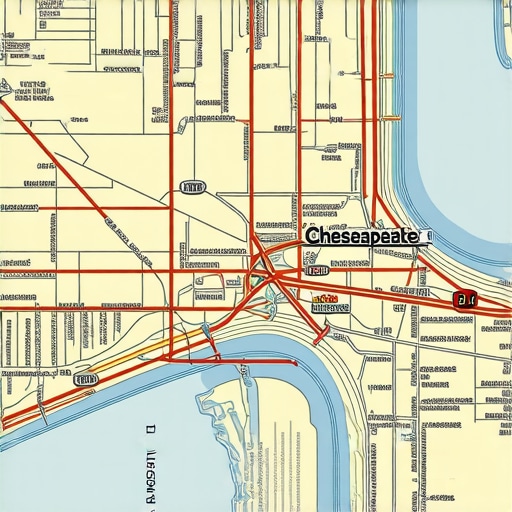
Ever spent hours tweaking your Google My Business profile, only to see your competitors inexplicably outrank you in Chesapeake? I’ve been there. There was a time I thought I knew all the tricks — until I realized I was missing a crucial piece of the local SEO puzzle that could make or break my visibility. It’s frustrating, disheartening, and it can feel like you’re shouting into the void while others quietly dominate the map pack.
Why Your Map Pack Rankings Matter More Than Ever
In Chesapeake, local search visibility isn’t just a nice bonus — it’s a lifeline. According to recent studies, 78% of local mobile searches result in an offline purchase within 24 hours, and most of these searches are for nearby businesses. If your business isn’t showing up where customers are looking, you’re losing out on a steady stream of local clients and revenue. That’s why understanding how to rank higher in the Virginia Map Pack is essential for any Chesapeake business aiming to grow and thrive.
But here’s the kicker: getting your map pack ranking right isn’t about throwing a few keywords into your profile and crossing your fingers. It’s a strategic game, and if you don’t play it correctly, you’ll keep spinning your wheels. Early on, I made the mistake of neglecting my NAP consistency — that’s Name, Address, Phone number — which is foundational. Small oversight, big consequences. Trust me, I learned the hard way that details matter. Want to avoid my mistake? Keep reading, because I’ll share the proven strategies I wish I knew from the start.
Are Virginia Map Pack Tips Overhyped?
Honestly, I used to think all this local SEO stuff was just noise. That was until I saw how a few well-optimized listings could push a business from obscurity to the top of the map pack. The truth is, these tips aren’t just hype; they’re backed by actual results. If you’re skeptical, I get it. But consider this: Google’s local algorithm is complex, constantly evolving, and designed to favor businesses that understand its signals. Missing out on these strategies means leaving your visibility to chance — and chances are, your competitors are already capitalizing on them.
If you’ve faced the frustration of not appearing in local searches, you’re not alone. I once spent months trying to game the system without a clear roadmap — until I discovered authoritative resources like Virginia Maps Ranking Secrets. That’s when everything changed. Now, I want to help you skip the trial-and-error and get straight to the strategies that deliver results.
So, are you ready to take control of your Chesapeake local SEO and boost your Google Maps visibility? If yes, let’s dive into the proven tips and tactics that will elevate your business to the top of the map pack.
Optimize Your Google My Business Profile with Precision
Start by claiming and verifying your GMB listing if you haven’t already. Ensure your business name, address, and phone number (NAP) are consistent across all platforms, including your website and local directories. Think of your NAP as the foundation of a house—if it’s crooked or inconsistent, the whole structure suffers. During my first attempt to rank higher, I neglected this, and my visibility stalled. Once I corrected my NAP consistency, I saw a noticeable uptick in local searches. For detailed guidance, check out Virginia Maps Ranking Secrets.
Leverage Local Keywords for Targeted Visibility
Research keywords that your Chesapeake customers are searching for—think about terms like “Chesapeake plumber” or “best pizza in Chesapeake.” Use tools like Google Keyword Planner or SEMrush to identify high-volume, locally relevant keywords. Incorporate these naturally into your GMB description, services, and posts. I once optimized my profile with generic keywords, but after switching to hyper-local terms, my rankings improved dramatically. The key is specificity—more targeted keywords mean less competition and higher relevance. For a comprehensive keyword strategy, visit Chesapeake SEO Strategies.
Build Authority with Consistent and Quality Reviews
Encourage satisfied customers to leave reviews. Positive reviews boost your credibility and signal to Google that your business is trustworthy. I reached out personally to a few loyal clients after their service, and their reviews helped me climb the local pack within weeks. Remember to respond to all reviews—thank positive ones and address negative feedback professionally. Reviews are like word-of-mouth in digital form; the more authentic and frequent they are, the better your chances of ranking high. To streamline review collection, consider linking your review requests with your email campaigns or receipts.
Enhance Your Profile with Rich Media Content
Use high-quality images and videos showcasing your products, services, and location. Google favors listings with engaging media because they provide a better user experience. I uploaded photos of my team and storefront, which made my listing more appealing and trustworthy. For best results, update your media regularly and include relevant keywords in your image descriptions. An effective visual presence can be the tipping point that pushes you past competitors. For visual optimization tips, see Effective Google Maps Optimization.
Local Citations and Directory Listings
Get your business listed accurately in local directories such as Yelp, Bing Places, and industry-specific sites. Maintain consistency in NAP details across all listings, as discrepancies can harm your rankings. I added my business to 20+ local directories, which helped establish authority and improve my visibility. Use tools like Moz Local or BrightLocal to audit your citations and fix inconsistencies. These citations act like endorsements from trusted sources—Google uses them as signals of legitimacy. For an in-depth citation-building strategy, refer to Virginia Maps Ranking.
Monitor, Analyze, and Adjust Your Strategy
Use Google Analytics and GMB Insights to track your performance. Identify which keywords and actions are driving traffic and conversions. Regularly review your rankings and adjust your tactics accordingly. I made the mistake of setting my strategy and forgetting it; once I started monitoring, I discovered which posts and keywords performed best. Consistent analysis allows you to refine your approach and stay ahead of competitors. For comprehensive analytics tips, see Chesapeake SEO Proven Strategies.
Many Chesapeake business owners believe that simply filling out their Google My Business (GMB) profile with keywords and waiting for rankings to improve is enough. However, this common misconception can hinder your local SEO efforts. The truth is, Google Maps optimization is a nuanced process that requires strategic thinking beyond basic profile completion.
One of the biggest myths I often encounter is the idea that backlinks or citations are the only factors that matter. While backlinks and citations are important, recent studies emphasize the significance of user engagement signals, such as reviews, click-through rates, and local relevance. According to Moz’s Local Search Ranking Factors 2022 report, user behavior signals now hold nearly as much weight as traditional link signals in local pack rankings, especially in competitive markets like Chesapeake.
Another trap to avoid is over-optimizing your profile with spammy keywords. Google’s algorithm is smarter than ever and can penalize businesses that appear manipulative. Instead, focus on providing authentic, value-driven content in your profile, such as detailed descriptions and high-quality images. Authenticity builds trust with both Google and potential customers, which directly influences your visibility.
Why do some Chesapeake businesses still struggle despite following all the standard SEO advice?
Great question. Often, they overlook the importance of local context and community signals. For example, actively engaging with local events, charities, or sponsoring community activities can generate valuable mentions and backlinks that Google interprets as local authority. These signals are subtle but powerful, and ignoring them is a missed opportunity. As experts like Virginia Maps Ranking Secrets suggest, building local authority is a multi-layered process that extends beyond your GMB profile.
Furthermore, many owners don’t realize the importance of continuous optimization. Local SEO isn’t a set-it-and-forget-it task. Regularly updating your profile with new photos, responding to reviews, and posting relevant updates signals activity to Google. This consistent activity can be the difference-maker in outranking competitors who treat their profiles as static.
Lastly, beware of the “set-and-forget” mentality. Advanced local SEO requires ongoing analysis and adaptation. Use tools like GMB Insights and Google Analytics to monitor what’s working and adjust your strategies accordingly. For example, if certain keywords aren’t driving traffic, refine your descriptions or add new content tailored to those search queries. This iterative process keeps your profile competitive and relevant.
In summary, mastering Google Maps rankings in Chesapeake involves understanding that SEO is a complex ecosystem. Avoid the trap of superficial tactics and instead focus on authentic engagement, community signals, continuous updates, and data-driven adjustments. If you’re serious about dominating your local market, I recommend diving into comprehensive resources like Virginia Maps Ranking Secrets and staying committed to ongoing optimization. Have you ever fallen into this trap? Let me know in the comments.
Keeping It Working: Tools and Strategies for Sustained Google Maps Success
Once you’ve optimized your Google My Business profile and started climbing the local rankings, the real challenge is maintaining that momentum over time. The landscape of local SEO is constantly evolving, requiring a proactive approach to stay ahead. To do this effectively, you need the right tools and methods that can help you monitor, refine, and scale your efforts with confidence.
One of my go-to tools for maintaining long-term Google Maps success is BrightLocal. I personally use it to conduct regular citation audits, ensuring that my NAP (Name, Address, Phone number) details remain consistent across all directories. This consistency is vital because even minor discrepancies can cause rankings to slip. BrightLocal’s automated reporting also helps me track changes in my rankings and review profiles, so I can quickly identify and address issues before they impact visibility.
Another essential tool in my arsenal is Google Search Console. I leverage it to analyze how users are finding my business, which keywords are driving traffic, and where I might need to optimize further. For example, if I notice a decline in clicks from local searches, I’ll dig into my profile and website content to see if updates or new competitors have shifted the landscape. Regularly reviewing these insights keeps my strategy fresh and aligned with current trends.
To ensure ongoing engagement, I also use a review management platform like Podium. It makes it easy to request reviews from satisfied customers via automated messages, which helps me keep my review volume high and fresh. Positive reviews are a key ranking factor, and consistent customer feedback signals activity and trustworthiness to Google. Plus, responding promptly to reviews fosters stronger relationships with clients and encourages future business.
Looking ahead, I believe automation and AI-driven analytics will play an even bigger role in local SEO. Tools that can predict ranking fluctuations based on local market trends will allow businesses to act preemptively rather than reactively. Staying ahead of these developments means investing in platforms that integrate AI insights into their dashboards—something I’m exploring now to future-proof my local marketing efforts.
How do I maintain Google Maps rankings over time? The key is a blend of regular monitoring, consistent engagement, and strategic adjustments. Schedule monthly audits with BrightLocal, review your analytics with Search Console, and keep your profile active with new photos, posts, and review requests. This multi-layered approach ensures your business remains visible and competitive in Chesapeake’s crowded local market.
If you’re serious about long-term success, I recommend trying out comprehensive tools like BrightLocal and Google Search Console to streamline your maintenance routine. These platforms empower you to catch issues early, adapt quickly, and scale your local SEO efforts confidently. For detailed guidance on scaling your Chesapeake local SEO, check out Virginia Maps Ranking Secrets.
The Hardest Lessons I Learned About Google Maps Optimization
One of the biggest surprises I encountered was how small details, like consistently updating my profile with new photos and posts, made a huge difference. I used to think that once I optimized my profile, I was set. But I realized that Google rewards active and engaged listings far more than static ones, which taught me to treat my profile as a living asset.
3 Myths About Local SEO That Held Me Back
I used to believe that backlinks were the only way to rank higher in the map pack. Later, I discovered that user engagement signals, especially reviews and click-through rates, are equally crucial. Busting these myths helped me shift my focus to what truly moves the needle in Chesapeake’s competitive local market.
What Experts Won’t Tell You About Community Signals and Local Authority
Engaging with local community events and sponsoring charities can generate powerful signals that Google considers when ranking your business. I started participating more actively in Chesapeake’s community, and the positive mentions and backlinks I gained boosted my local authority, which in turn improved my Google Maps visibility.


This post hits the mark on what it really takes to elevate local SEO in Chesapeake. I’ve learned firsthand that consistency, especially with NAP details, is absolutely crucial—one small typo in a directory can throw off your entire ranking. I also agree about the importance of engaging with community signals; sponsoring local events and getting involved actually helped boost my local authority more than just optimizing my GMB profile alone. I’m curious, how many of you have seen tangible results from community outreach in your rankings?
Another point I want to add is that ongoing monitoring using tools like BrightLocal and Search Console can’t be overstated. When I started regular audits, I caught minor issues early, which prevented ranking drops. What strategies have others found effective for maintaining long-term visibility without getting overwhelmed by the constant algorithm changes? I’d love to hear your insights and share what’s working for me.
This article really hits on some vital points that I’ve seen firsthand in Chesapeake. One thing I’d add from my experience is the power of community engagement outside of online optimization. Participating in local events and building relationships with other businesses can naturally lead to more backlinks and reviews, which Google really values. I’ve noticed that when I sponsor a local charity event or join the chamber of commerce, my nearby visibility tends to get a noticeable boost, along with increased trust from potential clients. It’s interesting how these community signals work in tandem with the online strategies. Have others seen similar results from community activities? I believe combining both approaches creates a more sustainable local SEO strategy that can outshine competitors who only focus on digital tactics.