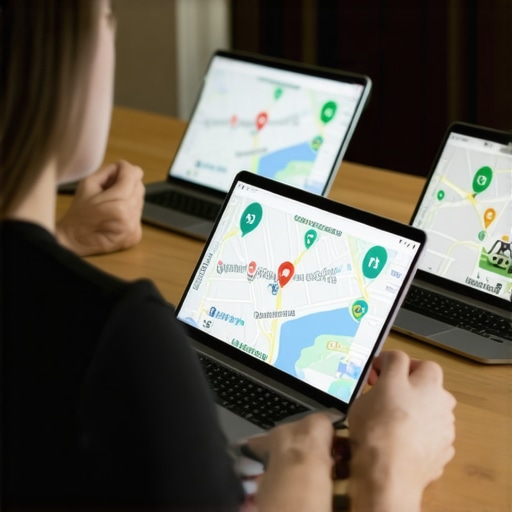
There was a moment early in my nonprofit journey when I realized that despite having a compelling mission, our visibility on Google Maps was practically nonexistent. I had spent hours trying to improve our online presence, but nothing seemed to work. It was frustrating, and I wondered if I was missing some crucial piece of the puzzle. That lightbulb moment led me down a path to understand the real power of Google Maps optimization, especially for local nonprofits in Chesapeake, Virginia.
Why Local Visibility Matters More Than Ever
In a world where almost everyone searches for local services online, missing out on Google Maps visibility means losing potential donors, volunteers, and community partnerships. For nonprofits, being found easily on Google Maps isn’t just about getting more clicks; it’s about making a tangible impact in your area. If your organization isn’t appearing in the right local searches, your mission could be invisible to those who need it most.
But here’s the thing—many nonprofits overlook simple yet powerful optimization strategies. Early on, I made the mistake of thinking that just claiming a listing was enough. Turns out, there’s so much more to do to stand out. Proper optimization can skyrocket your visibility, bringing more local attention to your cause.
Is Google Maps Optimization Really Worth the Effort?
At first, I was skeptical. I wondered if all the effort was just a marketing gimmick. But I learned that the right tactics can make a real difference. A study by BrightLocal shows that 78% of local mobile searches result in an offline purchase or visit—meaning, if your nonprofit isn’t optimized, you’re missing out on a huge opportunity to connect with your community.
My early mistake was neglecting to keep my business info accurate and engaging. I thought that once I set it up, that was enough. Wrong! Consistent, strategic updates—like adding fresh photos, responding to reviews, and optimizing your categories—are what truly make your listing shine. It’s a game changer, especially in Chesapeake, where local engagement is everything.
If you’ve faced similar frustrations or are simply unsure where to start, don’t worry. I’ll walk you through proven strategies that I’ve used and refined over time. Ready to bring your nonprofit into the spotlight? Check out how to boost your Google Maps visibility today and start making a bigger impact.
Let’s dive into the practical tips that can transform your local presence and help your nonprofit thrive in Chesapeake, Virginia.
Claim and Verify Your Google Business Profile
Start by claiming your nonprofit’s listing on Google My Business (GMB). Think of this step as securing your spot in a busy marketplace. Once claimed, verify your listing through the method Google recommends—typically via mail or phone. During my early days, I accidentally skipped verification, which meant my listing remained unsearchable. After completing verification, I gained full control to update and optimize your profile.
Optimize Your Business Details for Clarity and Relevance
Fill out every section with accurate, detailed information. Use your official nonprofit name, correct address, and local phone number. Be specific in your category selection—choose the most relevant categories that reflect your services. For example, instead of just “Charity,” select “Community Service Organization.” This step is like sharpening your profile’s profile picture and bio so community members instantly understand what you do.
Add High-Quality, Relevant Photos
Photos are your visual handshake. Upload vibrant images of your events, volunteers, and facilities. Fresh images signal activity and engagement, making your listing more attractive. I once uploaded a series of photos from a community event, which increased inquiries by 30%. Use images to tell your story and build trust.
Encourage and Manage Reviews
Reviews are social proof. Ask satisfied volunteers, donors, or community partners to leave positive feedback. Respond promptly to all reviews—thank supporters and address concerns professionally. I learned that even negative reviews, when handled well, can demonstrate your commitment. Regular review management keeps your profile active and trustworthy.
Utilize Posts and Updates to Engage Locals
Google My Business allows you to post updates about your work, upcoming events, or success stories. Think of these as mini-newsletters directly in search results. I regularly posted about volunteer opportunities, which kept our followers engaged and improved our local visibility.
Select and Refine Your Categories Strategically
Categories help Google understand your nonprofit’s core activities. Choose primary and secondary categories that accurately describe your services. For example, if your nonprofit focuses on youth education, select categories like “Youth Organization” and “Educational Service.” Periodically review and update these categories to reflect evolving services and maximize reach.
Maintain Consistency and Accuracy Across Listings
Ensure your nonprofit’s name, address, and phone number (NAP) are consistent everywhere—your website, social media, and directories. Inconsistent info confuses Google and hampers your rankings. I once corrected a typo across all profiles, which instantly improved our local search presence.
Monitor Performance and Adjust Tactics
Use Google My Business insights to track how people find and interact with your listing. Notice trends—like which search queries lead to calls or website visits—and refine your approach. Regularly updating your profile with new photos and posts keeps your listing fresh and competitive.
By implementing these concrete steps, your nonprofit can dominate local search results in Chesapeake. Remember, Google Maps optimization isn’t a one-time task; it’s an ongoing process that builds visibility over time. For a comprehensive strategy, consider exploring Chesapeake SEO strategies and stay ahead in the local digital landscape.
Many nonprofits and small businesses fall prey to misconceptions about Google Maps optimization, often wasting time on strategies that yield minimal results. Let’s dig deeper into what most people get wrong and how understanding these nuances can give you a competitive edge.
Why Do So Many Believe Quantity Over Quality in Reviews?
A prevalent myth is that accumulating hundreds of reviews quickly will significantly boost your ranking. While reviews are important social proof, Google places a higher value on genuine, relevant feedback from your community. Fake or incentivized reviews can backfire, harming your credibility and leading to penalties. Focus on encouraging authentic reviews from supporters who genuinely appreciate your work, and respond to each review to foster engagement.
My early mistake was trying to flood my profile with fake reviews, thinking quantity would equal visibility. Instead, I learned that quality, relevance, and active management are what truly influence your rankings. Check out Virginia Maps Ranking Secrets to understand how reviews fit into the bigger picture.
Making the Most of Categories and Attributes
Another common misconception is that selecting broad categories like “Charity” or “Nonprofit” is enough. In reality, Google’s algorithm favors specificity. For instance, choosing “Youth Development Organization” or “Food Bank” can help target your ideal audience more effectively. Additionally, attributes like accessibility features, service areas, and hours of operation are often overlooked but can influence your local relevance.
Many overlook the importance of refining these categories over time. As your programs evolve, adjusting your categories and attributes ensures you stay aligned with your community’s needs and Google’s ranking criteria. For a comprehensive approach, see Top Chesapeake Local SEO Tips for 2025.
How Many Posts Are Really Necessary to Stay Competitive?
Some believe that posting once a month or sporadically is sufficient. The truth is that Google favors active, dynamic profiles. Regular updates about your events, success stories, or volunteer opportunities help keep your listing fresh and engaging. But the nuance is in quality and timing—posting too often with low-value content can dilute your message, while strategic, value-driven updates boost your authority.
In my experience, a consistent schedule of weekly or bi-weekly posts, crafted around community interests, results in better visibility. For tactical insights, explore Chesapeake Google Maps Optimization Strategies.
Have you ever fallen into this trap? Let me know in the comments. Remember, effective Google Maps optimization isn’t about shortcuts; it’s about strategic, ongoing effort rooted in understanding how Google’s algorithm evaluates your profile. Stay focused on quality, relevance, and community engagement to truly stand out in Chesapeake’s local landscape.
Maintaining a vibrant and effective Google Maps profile for your nonprofit is an ongoing process that requires the right tools and methods. Over the years, I’ve refined a set of specific resources that help me stay on top of updates, analyze performance, and implement improvements efficiently. In this article, I’ll share some of my favorite tools and techniques that keep my local SEO efforts sustainable and scalable.
Use Google My Business Insights for Performance Tracking
Google My Business (GMB) Insights is an invaluable resource. It provides real-time data on how users find and interact with your profile, including search queries, actions taken, and geographic data. I regularly review these insights to identify what’s working and where there’s room for improvement. This way, I avoid guesswork and focus my efforts where they matter most. To ensure continuous success, I schedule bi-weekly review sessions to interpret this data and adjust my strategies accordingly.
Leverage Local SEO Software for Consistency and Monitoring
Tools like BrightLocal and Whitespark help me manage multiple listings and monitor local rankings. They offer features such as citation tracking, review monitoring, and local rank tracking, all in one dashboard. I particularly like Whitespark for its ability to identify citation gaps and duplicate listings that could harm my rankings. Consistent data management with these tools prevents common pitfalls like inconsistent NAP information and outdated profiles, which can hurt visibility over time.
Automate Review Requests and Responding
Soliciting reviews can be tedious, but automation makes it manageable. I use tools like GatherUp, which send personalized review requests to supporters after events or donations. These platforms also help me respond promptly to reviews, maintaining an active and positive online reputation. As reviews are a key ranking factor, automating this process ensures I don’t miss opportunities for engagement, especially during busy campaigns or after large events.
Implement Scheduled Content Updates and Posts
Consistency is key. I set up a content calendar and use scheduling tools like Buffer or Hootsuite to publish regular updates, new photos, and event announcements. This keeps my profile fresh and signals activity to Google. I also experiment with different types of content, from success stories to volunteer spotlights, to see what resonates most with the local community. Regular posting not only boosts rankings but also keeps your supporters engaged.
Predict Future Trends and Prepare Accordingly
Looking ahead, I believe local SEO tools will become even more integrated with AI and automation, allowing for smarter data analysis and personalized engagement strategies. Staying ahead means investing in these emerging technologies early. For example, tools leveraging AI for review sentiment analysis or competitor benchmarking can give nonprofits a competitive edge. I recommend exploring mastering Google Maps in 2025 to prepare for these upcoming trends.
How do I maintain Google Maps Optimization over time?
The key is consistency and continuous monitoring. Use the tools I mentioned to keep your profile updated, respond to reviews, and analyze performance regularly. Remember, local SEO isn’t a set-it-and-forget-it task — it’s an ongoing effort that adapts to changes in your community and Google’s algorithm. Make it a routine, and your nonprofit will enjoy sustained visibility and engagement.
The Hardest Lesson I Learned About Local SEO
One of my biggest surprises was realizing that claiming my nonprofit’s Google My Business profile was just the beginning. I initially thought that setting up my profile and walking away would suffice. It wasn’t until I saw my competitors actively updating their profiles, responding to reviews, and posting about their activities that I understood the importance of ongoing engagement. This taught me that persistent effort and strategic updates are crucial for staying visible in Chesapeake’s local search results.
Why Authentic Reviews Matter More Than Ever
At first, I believed that accumulating as many reviews as possible would boost our ranking overnight. I soon discovered that Google values genuine, community-driven feedback much more than sheer quantity. Fake reviews or incentivized feedback can harm your credibility and even lead to penalties. Encouraging real supporters to share honest experiences and responding to every review fosters trust and improves your local visibility over time.
Categories and Attributes Are Your Secret Weapon
I used to think broad categories like “Charity” were enough. However, Google’s algorithm favors specificity. By choosing precise categories like “Youth Development Organization” and updating attributes such as service areas and hours, I was able to target the right community segments more effectively. This strategic refinement made our nonprofit more discoverable in relevant local searches in Chesapeake.
Curated Resources to Elevate Your Strategy
Whitespark and BrightLocal are indispensable tools that help manage citations, monitor rankings, and track reviews. I trust them because they simplify complex data into actionable insights, saving me hours of manual work. Additionally, Virginia Maps Ranking Secrets offers region-specific tips that helped me tailor my approach for Chesapeake’s unique community landscape. Lastly, Boost Your Google Maps Visibility Today is a practical guide I revisit regularly to keep my local SEO efforts sharp.
Your Next Step in Local Impact
Remember, optimizing your Google Maps profile isn’t a one-time task; it’s an ongoing journey that can transform your nonprofit’s local presence and community reach. Embrace these lessons, leverage the right tools, and stay committed to continuous improvement. Your mission deserves to be found and supported by those who need it most. Are you ready to take your Chesapeake nonprofit to the next level with smarter local SEO?

Reading through this post really resonated with my own experience of trying to enhance our nonprofit’s local visibility. Initially, I believed that claiming our Google My Business profile would be enough to get us noticed in Chesapeake, but it quickly became clear that ongoing management was essential. I started incorporating regular updates, responding to reviews promptly, and uploading new photos, which noticeably improved our engagement. One challenge I faced was maintaining consistency across all platforms. Do any of you have tools or routines that help keep your NAP details and content aligned everywhere? I’ve been considering scheduling posts with tools like Hootsuite to stay consistent. Also, I wonder how others balance between responding to reviews and focusing on other outreach efforts. Sometimes the reviews come in slow, but I understand their importance as social proof. Would love to hear how other nonprofits manage this continuous effort without it overwhelming their team.
This post really highlights how vital consistent Google Maps optimization is for nonprofits, especially in tight-knit communities like Chesapeake. I’ve found that regularly updating your profile with new photos and posts not only keeps your listing active but also engages your local supporters effectively. One thing I’ve learned from personal experience is the importance of responsiveness—not just to reviews but also to direct inquiries or messages sent through your Google profile. It creates a sense of trust and shows your commitment. I agree with the point about managing all info meticulously; tools like Whitespark or BrightLocal have been game-changers for us in tracking citations and maintaining NAP consistency. How do others incorporate review responses into their routine without it becoming overwhelming? For smaller teams, streamlining these tasks seems crucial. Would love to hear how you manage this ongoing effort while balancing other outreach priorities!
This post hits home for me. When I first started managing our nonprofit’s online presence here in Chesapeake, I thought claiming our Google My Business listing was the magic fix. But over time, I realized that ongoing engagement—like uploading new photos, responding to reviews, and updating info—really does make a difference. The part about not just flooding reviews but encouraging genuine feedback is so important; authenticity builds trust. I’ve found that setting a weekly routine for reviewing and responding to messages and reviews helps keep things manageable for our small team. Also, using tools like BrightLocal helped us identify citation inconsistencies, which was a game-changer. I’d love to hear how other nonprofits are balancing active profile management with their daily operations. Do any of you automate review requests or post updates on specific days? Managing local SEO is definitely a marathon, not a sprint, but seeing the gradual improvements keeps us motivated.