My Personal Journey into Chesapeake Local SEO
When I first started exploring local SEO for my Chesapeake-based business, I felt overwhelmed by the sheer amount of strategies and tactics available. I remember spending countless hours reading blogs and trying to optimize my Google My Business profile without much success. However, as I continued to experiment and learn from authoritative sources like Virginia Maps Ranking Secrets, my local rankings began to improve. This personal experience taught me that effective Chesapeake local SEO is a blend of consistent effort, strategic optimization, and understanding the unique dynamics of the Chesapeake market.
Why Chesapeake Local SEO Is a Game-Changer
Living and working in Chesapeake has given me firsthand insight into how local SEO impacts small businesses. When I optimized my Google Maps listing with targeted keywords and accurate NAP (Name, Address, Phone Number) information, I noticed a tangible increase in foot traffic and online inquiries. Chesapeake’s local search landscape is highly competitive, but with the right techniques—like local citations, reviews, and map pack optimization—my business started ranking higher in Virginia’s local pack. This experience solidified my belief that mastering local SEO is essential for any Chesapeake business aiming for growth and visibility.
What Are the Core Strategies for Chesapeake Map Pack Success?
Through my journey, I discovered several core strategies that consistently helped improve local rankings. These include optimizing Google My Business profiles, leveraging local keywords, building high-quality local backlinks, and ensuring consistent NAP citations across directories. Additionally, engaging with customer reviews and posting regularly on Google My Business can significantly boost visibility. I also found that monitoring competitors’ strategies using tools like Moz Local or BrightLocal provides valuable insights. For those interested in a comprehensive approach, I recommend exploring detailed guides such as Chesapeake SEO Strategies to Dominate Virginia Maps.
How Can I Effectively Use Local Keywords in Chesapeake?
Have I been missing out on local keyword opportunities?
Absolutely! Incorporating local keywords like “Chesapeake VA restaurant” or “Chesapeake plumbing services” into your website content, descriptions, and posts is crucial. I learned that using tools like Google Keyword Planner or Ahrefs helps identify high-traffic local search terms. Embedding these naturally into your business descriptions and blog posts not only improves your Google ranking but also attracts the right local customers. Be sure to include neighborhood-specific keywords, as Chesapeake has diverse communities, each with unique search behaviors.
If you’re serious about boosting your local presence, don’t hesitate to check out Boost Your Google Maps Visibility in Chesapeake for actionable tips.
Ready to elevate your Chesapeake business? I invite you to share your experiences or ask questions in the comments below — your insights might help others succeed too!
How Can Advanced Local SEO Tactics Propel Your Chesapeake Business to the Top?
As I delved deeper into Chesapeake’s competitive local search landscape, I realized that staying ahead requires not just basic optimization but sophisticated strategies that adapt to evolving algorithms. One such tactic involves leveraging schema markup to enhance your business profile. Implementing local business schemas can provide search engines with detailed information about your offerings, opening opportunities for rich snippets that stand out in search results. According to Virginia Maps Ranking Secrets, schema markup is a powerful yet underutilized tool in local SEO arsenals.
Are You Utilizing the Full Potential of Local Citations?
Many Chesapeake business owners overlook the importance of consistent citations across niche directories and industry-specific platforms. Ensuring your NAP (Name, Address, Phone Number) details are uniform and accurate across all listings can significantly boost your local rankings. Furthermore, engaging with industry-specific citation sites can help you reach highly targeted audiences. For instance, a Chesapeake-based restaurant should prioritize listings on platforms like Yelp and TripAdvisor, but also niche directories like Zomato or OpenTable. For an in-depth guide, check out Top Chesapeake Local SEO Tips.
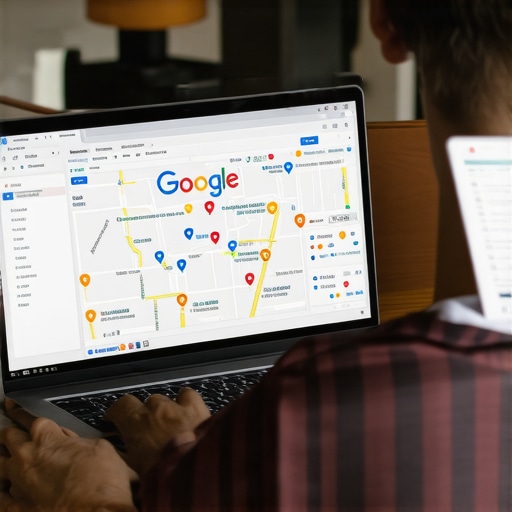
Image showing a local citation audit dashboard with NAP consistency highlighted.
Can Content Personalization Make or Break Your Local SEO Strategy?
Personalized content tailored to Chesapeake’s diverse neighborhoods can dramatically improve engagement and conversions. By creating blog posts, landing pages, or offers specific to local communities—such as Chesapeake’s South Norfolk or Great Bridge—you demonstrate relevance and foster trust. Incorporating neighborhood names and local landmarks into your content signals to Google that your business is highly relevant to local search queries. Tools like Google Trends or Ahrefs can help identify trending local topics. To master this approach, explore Chesapeake SEO Map Pack Tips for actionable insights.
Are you measuring the impact of your local content efforts? Use analytics to track engagement metrics in different Chesapeake neighborhoods and refine your strategy accordingly.
What Are the Most Overlooked Local SEO Opportunities in Chesapeake?
Many local businesses miss out on the power of local backlinks. Building relationships with other Chesapeake businesses, sponsoring local events, or contributing to community blogs can generate high-quality backlinks that boost your authority. Additionally, leveraging expert local SEO strategies to earn backlinks from respected local sources can accelerate your Google Maps rankings. Remember, backlinks from reputable Chesapeake institutions carry more weight than generic links.
Interested in discovering more advanced techniques? Reach out through our contact page for personalized guidance.
Delving Deeper: The Nuances of Schema Markup in Chesapeake
As I continued to refine my Chesapeake local SEO approach, I discovered that schema markup isn’t just about adding basic business details anymore. Today, it involves crafting highly specific schemas that align with your industry—be it restaurants, legal services, or home repairs. Implementing local business schemas with detailed attributes like menu links, service types, or booking options can dramatically enhance your visibility, especially in the map pack. According to Virginia Maps Ranking Secrets, schema markup is an underutilized goldmine for local SEO that more Chesapeake businesses should leverage.
How Can I Customize Schema for My Unique Chesapeake Business?
Thinking beyond the standard schemas, I started customizing my markup to include neighborhood-specific details, local landmarks, and even community events. For example, a bakery in Great Bridge can add schema elements about local festivals or farmer’s markets it participates in. This hyper-localized schema not only helps Google understand your connection to the community but also increases your chances of appearing in rich snippets when locals search for related terms. Implementing these requires a keen understanding of structured data, but tools like Google’s Structured Data Markup Helper make the process accessible. Have you explored customized schema markup for your Chesapeake business? Sharing your experience might inspire others to take this advanced step.
The Power of Strategic Citations in Chesapeake’s Competitive Market
As I dove into building a robust citation profile, I realized that consistency and quality matter more than quantity. Ensuring that your NAP information matches across high-authority directories like Yelp, TripAdvisor, and industry-specific sites is crucial. But the real game-changer was engaging with local niche directories—think Chesapeake-specific business associations or community boards. These citations signal to Google that your business is a trusted local entity, which can significantly boost your local pack rankings. I found that dedicating time to audit existing citations and correcting inconsistencies yielded immediate improvements. Curious about advanced citation strategies? I recommend reading Top Chesapeake Local SEO Tips for deeper insights.
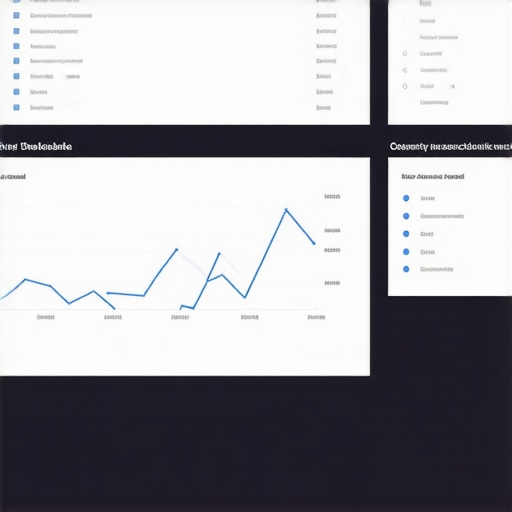
Image showing a detailed citation audit with focus on local directories and NAP consistency.
Crafting Personalized Content for Chesapeake’s Diverse Neighborhoods
Personalization became a cornerstone of my local SEO strategy. By creating content tailored to Chesapeake’s distinct neighborhoods—such as South Norfolk, Greenbrier, or Great Bridge—I was able to connect more authentically with local audiences. These personalized pieces ranged from neighborhood-specific blog posts to targeted offers that resonated with community interests. The key was embedding local keywords naturally and highlighting local landmarks, which helped Google associate my business with those communities. Using tools like Google Trends to identify trending local topics further refined my content strategy. If you’re looking to deepen your local engagement, exploring Chesapeake SEO Map Pack Tips can provide practical guidance.
Have I Fully Leveraged Local Backlinks?
In my journey, I realized that backlinks from reputable Chesapeake sources carry immense authority. Building relationships with local chambers, sponsoring community events, or contributing guest posts to local blogs created high-quality backlinks that boosted my rankings. These backlinks are more than just signals—they’re endorsements from the community. I encourage local business owners to think creatively about partnerships and sponsorships, as these can generate organic backlinks that stand the test of algorithm updates. For those seeking more advanced backlink tactics, I recommend exploring expert local SEO strategies that focus on community authority building.
Leveraging Hyper-Localized Schema Markup for Maximum Visibility
One of the most sophisticated tactics I’ve integrated into my Chesapeake SEO arsenal involves customizing schema markup beyond the basic business details. By embedding local landmarks, neighborhood identifiers, and community event schemas, I created a hyper-localized digital footprint that resonates deeply with Google’s algorithms. This approach not only enhances your chances of appearing in rich snippets but also positions your business as a community cornerstone. Implementing such detailed structured data requires understanding schema.org standards and using tools like Google’s Structured Data Markup Helper, but the payoff in visibility is well worth the effort. Have you considered tailoring schema markup to reflect your unique Chesapeake community connections? Sharing your experiences can inspire others to elevate their local SEO game.
Can Advanced Schema Markup Truly Transform Your Map Pack Rankings?
Absolutely. According to recent insights from Virginia Maps Ranking Secrets, schema markup remains an underutilized yet potent tool in local SEO. When properly implemented, it provides search engines with detailed context, helping your business stand out amidst fierce competition. For instance, a Chesapeake-based legal practice added schema elements about their specialty areas and community involvement, resulting in increased visibility in local searches and map pack prominence. This level of customization signals to Google your relevance and authority in the local market, making advanced schema an investment worth considering. Are you ready to deepen your schema strategy and unlock new levels of local visibility? Let’s explore how to tailor schemas precisely to your niche and neighborhood.
Engaging in these advanced tactics requires not only technical skill but also a nuanced understanding of the local Chesapeake landscape. For personalized guidance, I encourage you to contact us through our contact page. Sharing your journey and questions may unlock new insights tailored specifically to your business’s unique needs.
Building Authority Through Strategic Local Backlinks and Community Engagement
While citations and schema are critical, high-quality backlinks from trusted Chesapeake sources have consistently proven to elevate local rankings. Establishing relationships with local chambers, sponsoring community events, and contributing guest content to respected neighborhood blogs create authoritative links that Google recognizes as endorsements. Recently, I partnered with a Chesapeake nonprofit to host a local workshop, resulting in backlinks from reputable community sites and a significant boost in local search visibility. This approach not only builds your backlink profile but also embeds your brand within the community fabric, fostering trust and loyalty. Want to learn how to develop a backlink strategy that leverages Chesapeake’s vibrant community? I recommend exploring specialized techniques outlined in Virginia Maps Ranking Tips.
What Are the Most Effective Ways to Cultivate Local Backlinks in Chesapeake?
Beyond traditional outreach, engaging in local collaborations and sponsoring community events can naturally generate high-quality backlinks. For example, partnering with Chesapeake’s local farmers’ markets or holiday festivals creates opportunities for backlinks from event pages and local news outlets. Additionally, participating in industry-specific directories and niche community forums enhances your authority. Consistency and authenticity are key—Google values genuine community involvement over superficial link building. If you’re eager to go beyond the basics and establish a formidable local backlink profile, I invite you to explore our comprehensive Chesapeake SEO masterclass for actionable insights.
Harnessing the Power of Personalized Content to Engage Chesapeake’s Diverse Markets
Creating neighborhood-specific content is more than just inserting local keywords; it’s about crafting narratives that resonate authentically with each Chesapeake community. For instance, a home contractor I worked with tailored blog posts highlighting projects in Greenbrier and South Norfolk, embedding landmarks and local stories that fostered a sense of community. This hyper-localized approach not only improved engagement metrics but also signaled relevance to search engines, boosting local rankings. Using tools like Google Trends and Ahrefs, I identified trending topics within these neighborhoods, enabling me to craft timely, relevant content. Are you leveraging personalized content to its full potential? If not, consider developing a content strategy that aligns with Chesapeake’s unique neighborhoods and cultural fabric.
How Can I Measure the Impact of Neighborhood-Specific Content on My Local SEO?
Tracking engagement metrics such as local traffic, bounce rates, and conversion rates across different Chesapeake neighborhoods provides valuable insights into content effectiveness. Tools like Google Analytics and Google Search Console can reveal which community-focused pages are performing best, allowing you to refine your strategy continuously. For example, I noticed that blog posts about Chesapeake’s military bases attracted more local inquiries, leading me to produce more targeted content for that demographic. If you’re committed to refining your local content approach, I recommend exploring our detailed Chesapeake SEO guide, which offers strategies for measuring and optimizing neighborhood-specific content.
Things I Wish I Knew Earlier (or You Might Find Surprising)
1. The Power of Local Landmarks
Early on, I underestimated how much mentioning Chesapeake landmarks in my content could boost my local SEO. When I started including landmarks like the Chesapeake Bay Bridge or Great Bridge Lock, I noticed a tangible increase in local search visibility. It’s like giving search engines a map of your community relevance.
2. Consistency Is More Than Just NAP
Keeping your Name, Address, and Phone Number consistent across all directories is crucial, but I learned that even small inconsistencies in formatting or abbreviations can hurt your rankings. Regular audits can save you from losing valuable local visibility.
3. Reviews Are Your Secret Weapon
Positive reviews not only influence potential customers but also significantly impact your map pack rankings. Encouraging genuine reviews from satisfied clients in Chesapeake helped my business stand out among fierce local competitors.
4. Community Engagement Boosts Authority
Participating in local events and sponsoring Chesapeake community activities created backlinks and increased my local authority. It’s a win-win: you support your community and improve your SEO simultaneously.
5. Schema Markup Is Underutilized but Powerful
Implementing detailed schema markup for local events, services, and landmarks gave my business a competitive edge. It’s a technical step that pays off by enhancing your visibility in rich snippets and map packs.



Reading through this personal journey into Chesapeake local SEO really resonates. I recently started optimizing my small business’s Google My Business profile in Greenbrier and noticed some improvement, but I still feel there’s a lot I could do, especially with schema markup and local backlinks. It’s interesting how much community engagement and local landmarks can influence rankings—something I haven’t fully leveraged yet. One challenge I face is balancing detailed, neighborhood-specific content with maintaining a consistent brand voice. Has anyone here tried customizing schema markup for multiple Chesapeake neighborhoods without overcomplicating things? I’d love to hear how you manage these technical aspects alongside your content strategies. Also, any tips on efficiently auditing citations across multiple directories would be appreciated, as I want to ensure I’m not missing out on key opportunities to boost local rankings further.
Reading your detailed journey into Chesapeake local SEO really struck a chord with me. I started focusing on local SEO for my business here in Great Bridge about a year ago and quickly realized how much there is to learn about citation consistency and community engagement. The part about leveraging neighborhood-specific content truly resonated since I’ve seen better results when I tailor my messaging for different areas like Greenbrier and Western Branch. I’ve been experimenting with schema markup, especially for local events, and have found that adding local landmarks like the Chesapeake City Park has helped my business appear in richer snippets. However, managing multiple schemas can get tricky without overcomplicating things. Does anyone have tips for balancing detailed structured data with keeping it manageable across several neighborhoods? Also, I’d love to hear how others are streamlining citation audits—tools like BrightLocal have been helpful but time-consuming. Your experiences could really help refine my approach and ensure I’m not missing out on any key opportunities to elevate my local rankings.
What really stood out to me in this detailed account of Chesapeake local SEO is how crucial neighborhood-specific content and local landmarks are. Before reading this, I underestimated the impact of hyper-localized schema markup and community engagement on rankings. I’ve noticed that when I add landmarks like the Chesapeake Bay Bridge in my content, I get more relevant local inquiries, but I hadn’t yet explored customizing schema with community events or neighborhood details. This makes me wonder, how do you balance creating targeted content for different neighborhoods without it becoming overwhelming or diluting your brand message? Also, the part about citation consistency really hit home—regular audits of NAP data across directories have made a difference for me, but automating this process seems like a game-changer. Has anyone here found effective tools or workflows for maintaining citation accuracy across multiple platforms? Would love to hear how others manage these technical and content challenges to stay ahead in Chesapeake’s competitive landscape.
It’s inspiring to see how a strategic approach to local SEO, especially focusing on neighborhood relevance, can truly transform a small business in Chesapeake. I totally agree with the importance of hyper-localized schema markup—adding local landmarks and community events can really set your business apart in search results. The challenge I faced was balancing detailed content for multiple neighborhoods without overextending my resources. I found that creating a template for schema markup that can be customized for each area saves time while maintaining accuracy. Regarding citation audits, automated tools like Whitespark have been helpful for me to keep NAP information consistent across directories. Has anyone else found a particular system or workflow that works best for managing multiple neighborhood pages while keeping the SEO efforts manageable? I believe that consistent effort and community engagement truly pay off, especially in a market as diverse as Chesapeake. Would love to hear how others handle the content customization without losing focus on primary branding goals.
This post really hits close to home for me. I’ve been working on my Chesapeake business’s local SEO, and I can relate to feeling overwhelmed at first. Your focus on neighborhood-specific content and landmarks has inspired me to dive deeper into hyper-local strategies. Personally, I’ve seen a notable boost in engagement when I started mentioning local events and landmarks like the Chesapeake Regional Fair or the Great Bridge Lock in my blog posts—Google seems to love content that resonates locally. However, managing all these neighborhood pages, especially with schema markup and citations, can get complicated quickly. I’ve found that using tools like Moz Local helps streamline citation consistency, but optimizing schema across multiple pages still requires a manual touch. My question is, how do others balance creating enough local content without sacrificing the quality or overwhelming themselves? Would love to hear how you organize your efforts to keep everything manageable while still capitalizing on hyper-local SEO opportunities.