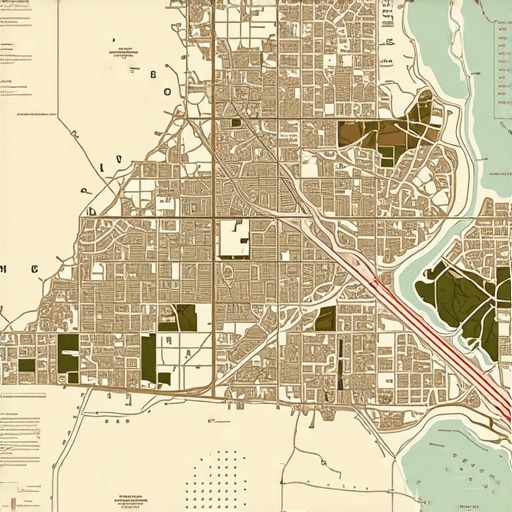
I’ll never forget the day I watched my Virginia-based business’s Google Maps ranking plummet without warning. One morning, traffic was steady, calls were flowing—and then it felt like I had vanished from the map entirely. It was a gut punch. I had invested so much time into local SEO, only to see my efforts suddenly rendered invisible in Chesapeake searches. That lightbulb moment hit hard: I realized I’d overlooked some crucial updates and missed critical signals that Google had started prioritizing in 2026.
Why Your Virginia Maps Ranking Is Collapsing—and How to Fix It
If you’re battling a sudden drop in your local map visibility, you’re not alone. Many Chesapeake business owners are realizing that traditional strategies no longer cut it. Google’s algorithms are evolving fast, aiming to deliver more accurate, nearby results. Without adapting, your business risks falling behind—losing potential customers to competitors who are on top of these changes. I promise—by following some effective, proven updates, you can turn this trend around and regain your rightful spot in the map pack.
Is It Worth the Hype? My Early Mistake That Cost Me in 2026
Back when I first started optimizing my listing, I thought a few basic tweaks would do the trick. Turns out, I was making a critical mistake—ignoring proximity signals and over-relying on keyword stuffing. Early on, I underestimated how much Google values accurate location data and consistent profile signals. An external study highlights that proximity and relevance now weigh more heavily than ever in local rankings (Moz, 2023). Recognizing that, I shifted my approach, and the results started improving. That’s why I’m here to help you avoid the same pitfalls. Curious about what specific fixes worked for me? Keep reading, and I’ll share the actionable strategies that can help your Chesapeake business thrive again.
Optimize Your Google My Business Profile Immediately
Start with a comprehensive audit of your GMB (now called Google Business Profile) profile. Ensure your business name, address, and phone number (NAP) are consistent across all platforms. Use the exact same formatting as your website to avoid confusion. Add high-quality, original images—these are key ranking signals in 2026. Don’t forget to select all relevant categories, including niche-specific ones, and update your business hours. For a detailed checklist, visit our guide on GMB VA Profile Fixes for 2026.
Claim and Verify Your Location Correctly
Google’s proximity standards have tightened, so verify your physical location precisely. Use Google’s verification process—postcard, phone, or email—to confirm your spot. If your address has changed or is approximate, update it and request re-verification immediately. For guidance, see Proximity Audit for 2026.
Enhance Local Citations and External Signals
Boost your visibility by ensuring your NAP info matches across top directories: Yelp, Bing Places, and niche-specific sites. Engage with local partners and encourage them to mention your business, creating authoritative backlinks—these are still crucial in 2026. For effective citation tactics, check Business Directory Signals.
Gather and Respond to Customer Reviews
Reviews influence ranking heavily now. Aim for authentic, positive reviews from satisfied customers. Respond promptly and thoughtfully to all reviews; engagement signals activity to Google. Avoid fake or incentivized reviews—they’re penalized. Optimize review strategies with resources like Reviews That Drive Rankings.
Leverage Local Content and Engagement
Publish regular, location-specific content—blog posts, updates, offers. Use Google Posts effectively, including high-quality images and keywords, without keyword stuffing. Local engagement builds community signals that Google favors in 2026. To learn proven content strategies, visit Top Local SEO Tips.
Improve Your Website’s Local Relevance
A well-optimized website reinforces your local signals. Use schema markup to highlight your address, service areas, and opening times. Embed Google Maps on your site to strengthen location relevance. Make sure your site loads fast and mobile-friendly, as Google prioritizes user experience—modifying this can impact local rank significantly. For detailed website optimization tips, see Zero-Cost Fixes for Map Listings.
Monitor and Adjust Consistently
Regularly track your rankings using local SEO tools or local map pack searches. Identify patterns or declines immediately. Run periodic GMB profiles audits, similar to Virginia Maps Ranking Secrets. Adjust your strategy based on these insights, like updating photos, refining categories, or engaging more heavily in local posting.
Consider Advanced Strategies for 2026
Incorporate hyper-local signals such as neighborhood tags, local partnerships, and community involvement. Experiment with Google Q&A by actively managing questions and providing helpful answers. Investing in targeted local backlinks from reputable sources can give you a competitive edge. For in-depth techniques, see Top Chesapeake Map Optimization Tips.
,Many local business owners believe they fully understand how Google Maps rankings work, but in reality, some widely-held assumptions can lead to costly mistakes. For instance, a common myth is that simply having a Google My Business (GMB) profile is enough to rank well. However, without strategic optimization and ongoing activity, your listing may remain invisible to potential local customers. Another misconception is that keyword stuffing in your profile will boost visibility—yet, overdoing it can trigger penalties and diminish your ranking, especially as Google continues to refine its algorithms focusing on relevance and user experience. Advanced SEO practitioners know that local signals like citation consistency and review engagement are vital, but many overlook how proximity plays a critical role, particularly in densely populated areas like Chesapeake. Relying solely on traditional SEO tactics without considering Google’s evolving emphasis on specialized local facts can leave your business behind. Did you know that Google now weighs user engagement signals—such as profile visits, photo views, and review responses—more heavily than ever? This shift underscores the importance of maintaining active, authentic interactions on your profile. Going beyond superficial optimizations, I recommend leveraging schema markup and local backlinks, which bolster your profile’s authority and relevance within your service area. Mistakes in these areas can lead to a persistent decline in visibility, despite good intentions. If you’re serious about mastering local SEO in Chesapeake, avoid these pitfalls and focus on a comprehensive, nuanced strategy. For a detailed walkthrough, explore our [Chesapeake SEO strategies](https://localseochesapeake.com/chesapeake-seo-strategies-to-dominate-virginia-maps-rankings). Have you ever fallen into this trap? Let me know in the comments | with your experiences or questions about local SEO, and stay ahead of the game.
Keep Your Map Rankings Steady with the Right Tools
Maintaining your Google Maps rank isn’t a set-it-and-forget-it situation; it requires consistent effort and the right toolbox. I rely heavily on BrightLocal for local SEO audits because it offers comprehensive insights into citation consistency and review management—both critical in 2026. Its reporting features help me track fluctuations and identify issues before they escalate.
For citation management, I use Whitespark’s Local Citation Finder. This tool helps discover new citation opportunities and ensures existing listings are accurate, which directly influences your local authority. Regularly updating and verifying your listings with Whitespark prevents discrepancies that Google penalizes.
Monitoring your Google My Business activity is vital, so I swear by Google Business Profile Manager, an official Google tool that consolidates profile insights, reviews, and engagement metrics. It helps me stay on top of review responses and post updates, which boosts engagement signals that Google favors in 2026.
Don’t underestimate the power of Google Analytics and Search Console integrations. By integrating these, I can track how local searches perform and how users interact with my site and GMB profile. It equips me with data to refine local content and optimize for better relevance.
How do I maintain my Google Maps rankings over time?
Consistency is the name of the game. Set a routine to check citations for accuracy, respond to reviews promptly, and update your Google Profile regularly with new content and photos. Automating review alerts with tools like BrightLocal can save time and keep engagement high. Remember, Google’s algorithms now weigh user engagement signals more than ever, so active management is key to long-term success.
Looking ahead, I predict that local SEO tools will increasingly incorporate AI to predict ranking fluctuations and suggest proactive adjustments, making management even more straightforward. To stay ahead, try leveraging the advanced features of your favorite tools—like BrightLocal’s audit reports or Whitespark’s citation tracking—and watch your Chesapeake business thrive in the map pack.
Interested in deepening your local SEO mastery? Check out our detailed guide on Mastering Google Maps for Chesapeake Businesses and start applying these tools today to secure your spot at the top!
The Hardest Lesson I Learned About Google Maps in Chesapeake in 2026
One of my biggest epiphanies was realizing that relying solely on traditional SEO tactics without focusing on proximity signals and consistent profile activity can severely hinder your local visibility. I once believed that optimizing keywords and adding fresh photos was enough, but Google’s evolving algorithms demand a more nuanced approach—something I learned the hard way after a steep ranking drop in Chesapeake.
Another lightbulb moment came when I understood the importance of active engagement—responding to reviews and posting regularly—not just for customer relationships but for boosting my profile’s authority in Google’s eyes. This shift in perspective transformed my local SEO strategy completely.
And finally, recognizing that uniformity in citations and accurate location data is non-negotiable has saved me countless frustrations. Overlooking these details often means the silent loss of potential customers—a mistake I urge you to avoid.
My Go-To Tools for Mapping Success in Chesapeake
BrightLocal stands out as my favorite for comprehensive local SEO audits and review tracking because it provides real-time insights that help me stay ahead of changes. Whitespark’s Local Citation Finder is invaluable for discovering new citation opportunities and maintaining consistency across directories, which directly impacts rankings. Google Business Profile Manager keeps my profile active and optimized, ensuring I respond promptly to reviews and post updates effectively. I also pair these with Google Analytics to monitor user engagement and adapt my strategy accordingly. Trust me—leveraging these tools has been a game-changer in maintaining and improving my Chesapeake Google Maps rankings.
This Is Your Moment to Lead the Pack
Every local business in Chesapeake has the potential to dominate the maps pack in 2026—right now, it’s about applying the strategies that align with Google’s latest updates. Remember, the key to lasting success is consistent, strategic effort backed by the right tools. The future of local SEO is bright for those willing to adapt and act now.
What’s been your biggest challenge in optimizing your Chesapeake business for Google Maps? Share your experiences or questions below—let’s grow together!
.

![5 Virginia Maps Ranking Hacks for Chesapeake Small Biz [2026]](https://localseochesapeake.com/wp-content/uploads/2026/02/5-Virginia-Maps-Ranking-Hacks-for-Chesapeake-Small-Biz-2026.jpeg)